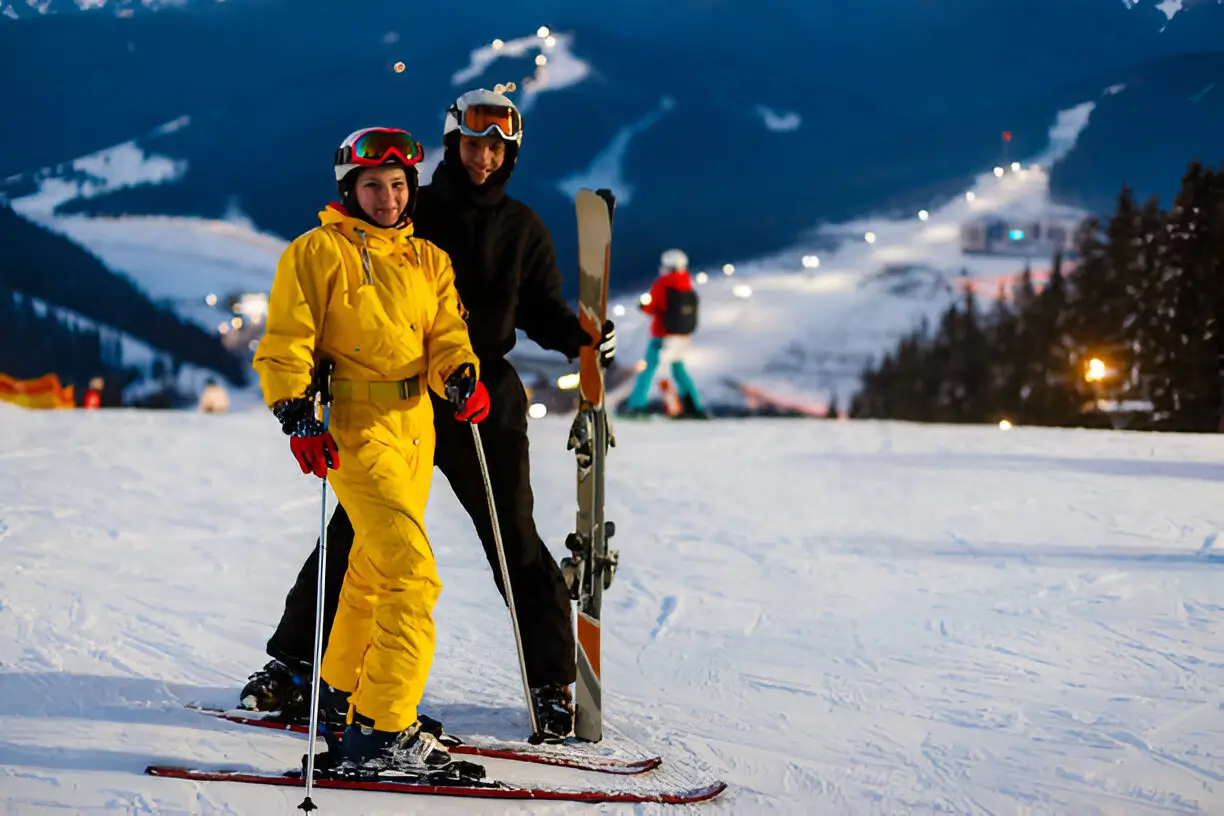
Five nights and six days is the ideal winter plan: 2 nights in Srinagar, 2 in Gulmarg and 1 flexible night. The flexible night is your insurance against snow, road closures and flight delays.
By Najeeb Qurashi • najeebaq79@gmail.com • Role: author•2026-10-25•
kashmir itinerary for winterkashmir 5 days itinerary winterkashmir 6 days itinerary
How many days do you need for Kashmir in winter?
Five nights and six days is the ideal winter plan: 2 nights in Srinagar, 2 in Gulmarg and 1 flexible night. The flexible night is your insurance against snow, road closures and flight delays. If time is short, a 4-night plan works if you fly in and skip Pahalgam or Sonamarg. Both plans below are built so that a bad-weather day never kills the whole trip: every day has a Plan A (ideal weather) and a Plan B (snow, closure or rain).
Winter 2026-27 so far: what has happened already
A quick look at this season's early snow, from news reports, so you know what to expect:
What this means: early snow on the highest peaks is normal and says little about January. Deep snow on the Gulmarg meadow and Sonamarg usually comes from mid-December and is most dependable from mid-January. See our snowfall guidesnowfall guide and check forecasts a week before you travel.
6 rules for a winter Kashmir itinerary that actually works
Put Gulmarg in the middle of the trip, not on the last day. A weather problem on day 5 can cost you your flight home.
Stay in Gulmarg for at least one night. First-snow mornings and quiet evenings are the best part, and you avoid the long road in the dark.
Keep one flexible day. Use it for Pahalgam, Sonamarg or a second Gulmarg day, depending on weather.
Start early. Winter sunset in Kashmir is around 5 pm in December and January, so a 7:30 am start gives you real daylight.
Do not stack two weather-sensitive days back to back. Follow a Gulmarg or Sonamarg day with a Srinagar day.
Never schedule a flight on the evening after a mountain day. Keep a buffer.
The swap rule (use the forecast)
If the forecast shows heavy snow on your planned Gulmarg day, swap it with a Srinagar day so you go to Gulmarg after the storm, when roads are clearing and the snow is fresh and deep. If the forecast shows clear weather on your Srinagar day and snow later, go up to Gulmarg first. Ask your operator to build this flexibility into your booking. Our Srinagar to Gulmarg guide explains the road and the Tangmarg vehicle change.
Kashmir winter itinerary: 6 days and 5 nights (best plan)
Route: Srinagar (2 nights), Gulmarg (2 nights), Srinagar (1 flexible night)
Day 1: Arrive in Srinagar, Dal Lake and a gentle evening
Notes: do not plan anything heavy on day 1; cold and travel tire people. Confirm your heating at check-in.
Day 2: Srinagar sightseeing (weather-proof day)
Tip: Tulip Garden is closed in winter. Do not let an itinerary tell you otherwise.
Day 3: Srinagar to Gulmarg (the snow day)
Tips: book gondola slots in advance via the official JKCCC portal; confirm prices and status on the day. Carry ID, cash and warm clothes. See our gondola guide.
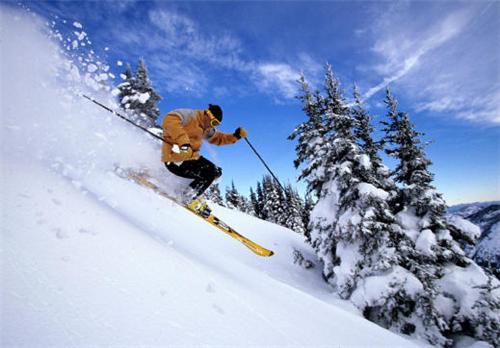
Day 4: Full day in Gulmarg (the snow day that wins the trip)
Skiers: add a second lesson or a guided day. Others: this day also works as a buffer if Day 3 was disrupted.
Day 5: Gulmarg to Srinagar, then a flexible afternoon
Option instead: if the weather is good and you feel fit, go to Sonamarg (about 80 km, 2.5 to 3 hours) or Pahalgam (about 95 km, 2.5 to 3 hours) for the day, subject to road and site status. Confirm with your driver the same morning. See the safety guide.
Day 6: Departure
Transfer to Srinagar airport with at least 3 hours before your flight. Fog or snow can delay flights, so do not schedule anything important the same evening.
Kashmir winter itinerary: 5 days and 4 nights (compact)
Route: Srinagar (2 nights), Gulmarg (1 night), Srinagar (1 night)
Best for: short trips and people who fly in. Not enough buffer for a long drive from Jammu in winter.
Variants for different travellers
Honeymoon edits
Choose a houseboat night in Srinagar and a heated, quiet hotel in Gulmarg.
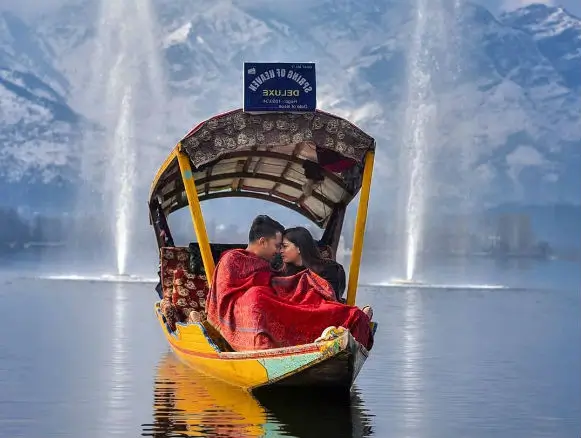
Add a private evening shikara ride and a candlelight dinner (confirm availability).
Keep the second Gulmarg night for a slow morning and sunrise views.
Add a Pahalgam or Sonamarg day only if weather and roads allow.
Family with kids or seniors
Use gondola Phase 1 only and avoid long time at high altitude.
Use a private SUV with a driver who knows the roads; avoid long travel after dark.
Book hotels with reliable heating and hot water.
Keep afternoons light; allow nap and rest time.
Pack extra warm layers; see our packing guide.
Ski-focused trip
Choose mid-January to mid-February for the best snow.
Spend 2 nights in Gulmarg; add a third if snow is fresh and conditions are good.
Book lessons or guided skiing and gear rental in advance, and ask which gear is included.
Use a certified instructor for any off-piste skiing.
Budget trip
Choose November or early March, or the second half of January to February.
Use a mid-range hotel in Srinagar and one night in Gulmarg.
Share a cab and compare package quotes line by line; see our trip cost guide.
How the itinerary changes by month
Where to stay on each night
Our winter packages use hotels and houseboats we know in person. See winter packages.
What the trip costs
A 6-day mid-range winter trip typically costs about Rs 28,000 to 45,000 per person (land only) for a couple on a shared-room basis, plus flights. Hotels in Gulmarg and the New Year week cost the most. Full breakdowns, hidden costs and savings tips are in our Kashmir trip cost guide. Our own winter packages start at around Rs 11,999 per person for a budget 5-day plan. (Update with your live prices before publishing.)
Packing for a winter itinerary (short list)
Thermals (2 sets), fleece, down jacket, waterproof shell, waterproof boots with grip, woollen socks, gloves, cap, muffler, UV sunglasses, sunscreen, lip balm, moisturiser, power bank and a small daypack. Rent snow boots and jackets in Gulmarg if you will only use them for a day.
Common mistakes in Kashmir winter itineraries
Putting Gulmarg on the last day before a flight.
Visiting Gulmarg only as a rushed day trip in peak winter.
Planning a Pahalgam, Sonamarg and Gulmarg trip in 3 days.
Adding Tulip Garden or other seasonal places that are closed in winter.
Ignoring the forecast and not using the swap rule.
Choosing hotels without confirming heating and hot water.
Not carrying cash and ID.
Skipping buffer days.
Frequently asked questions
How many days are enough for Kashmir in winter?
Five nights and six days is ideal: 2 in Srinagar, 2 in Gulmarg and 1 flexible night. Four nights can work if you fly in and keep the plan compact.
What is the best Kashmir winter itinerary?
Srinagar for 2 nights, Gulmarg for 2 nights and a flexible Srinagar night, with a Plan B for each day. This protects your trip from snow and road closures.
Should I stay in Gulmarg or do a day trip in winter?
Stay at least one night. You get better snow mornings, a more relaxed schedule and no long drive in the dark.
Can I see Pahalgam and Sonamarg in a winter trip?
Often yes, as a day trip from Srinagar, if the weather and roads are open. Check the status of sites and roads that morning.
What is the best month for a Kashmir winter itinerary?
Mid-January to mid-February gives the best snow. December is festive but less certain. Late November is quiet and cheaper.
What if it does not snow?
Use the Plan B on each day: houseboat and shikara in Srinagar, gardens, old city, Hazratbal, shopping and Kashmiri food, and the gondola for views.
Is Tulip Garden open in winter?
No. It opens in spring, usually around late March to April, so confirm the dates each year.
Is Kashmir safe for a winter trip?
Security conditions are similar to other seasons, but weather risks rise. Read our safety guide and check current advisories and site status.
How cold is Kashmir in winter?
Srinagar averages about 7 to 10 C in the day and -2 to 1 C at night in January and February. Gulmarg is roughly 6 to 7 C colder.
What should I book in advance?
Hotels in Gulmarg, gondola slots, flights and your cab. Choose flexible bookings where possible.
Get a custom winter itinerary
Tell us your dates, group size and budget on WhatsApp. We will check the latest snow, road and gondola status and send a day-by-day plan with hotel names, heating details, cab type, a Plan B for each day and a written weather policy.
NQ