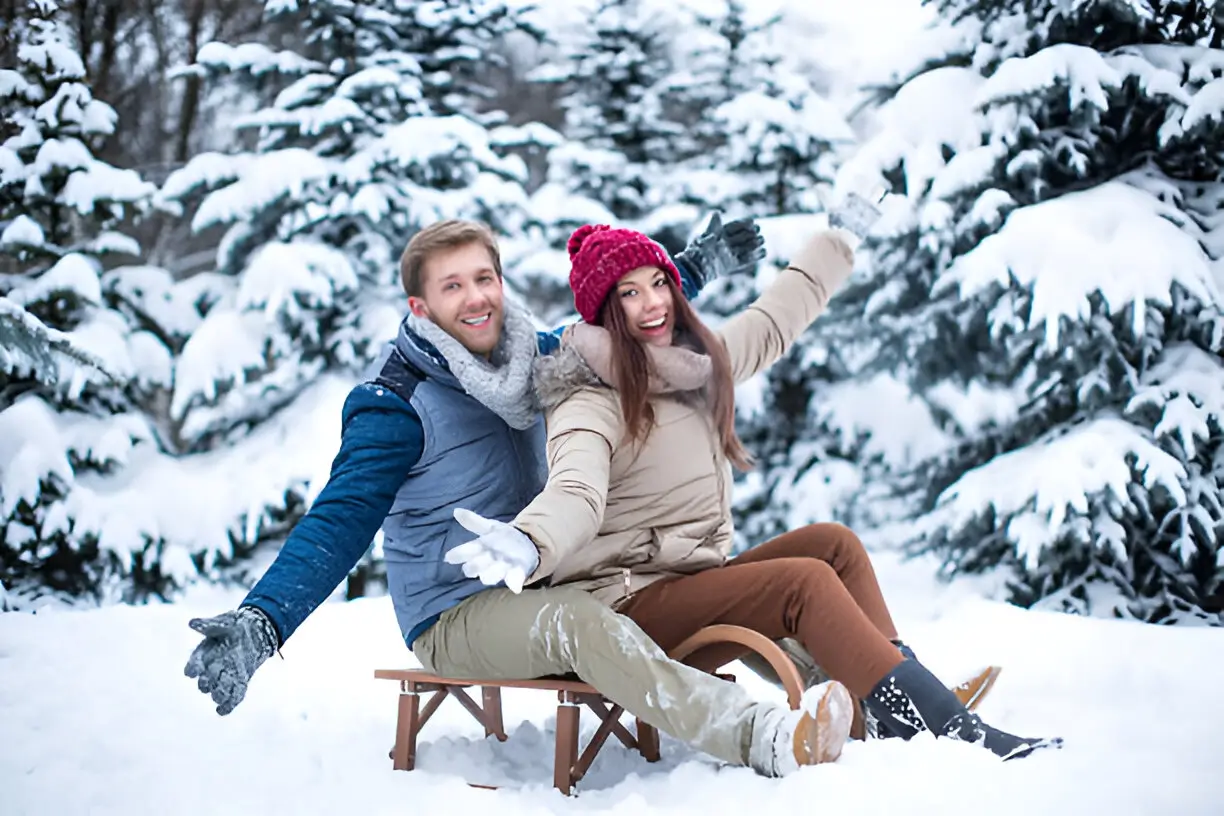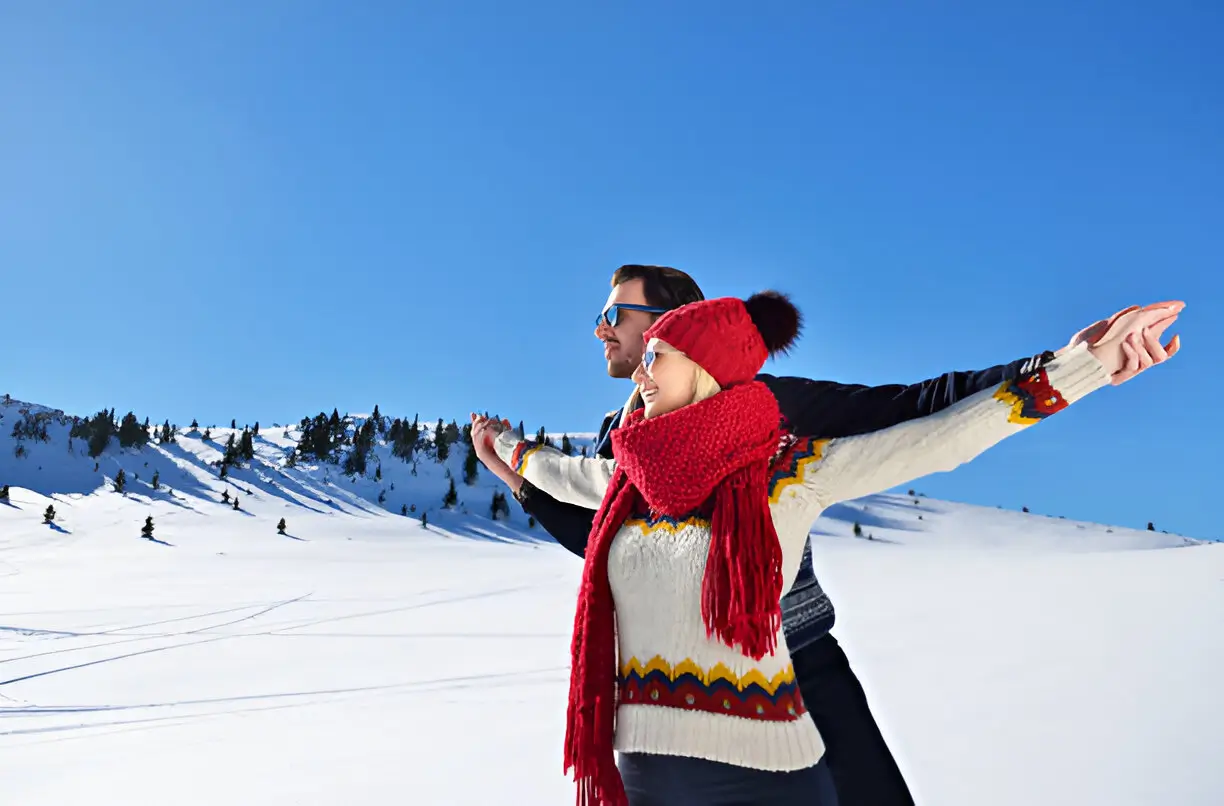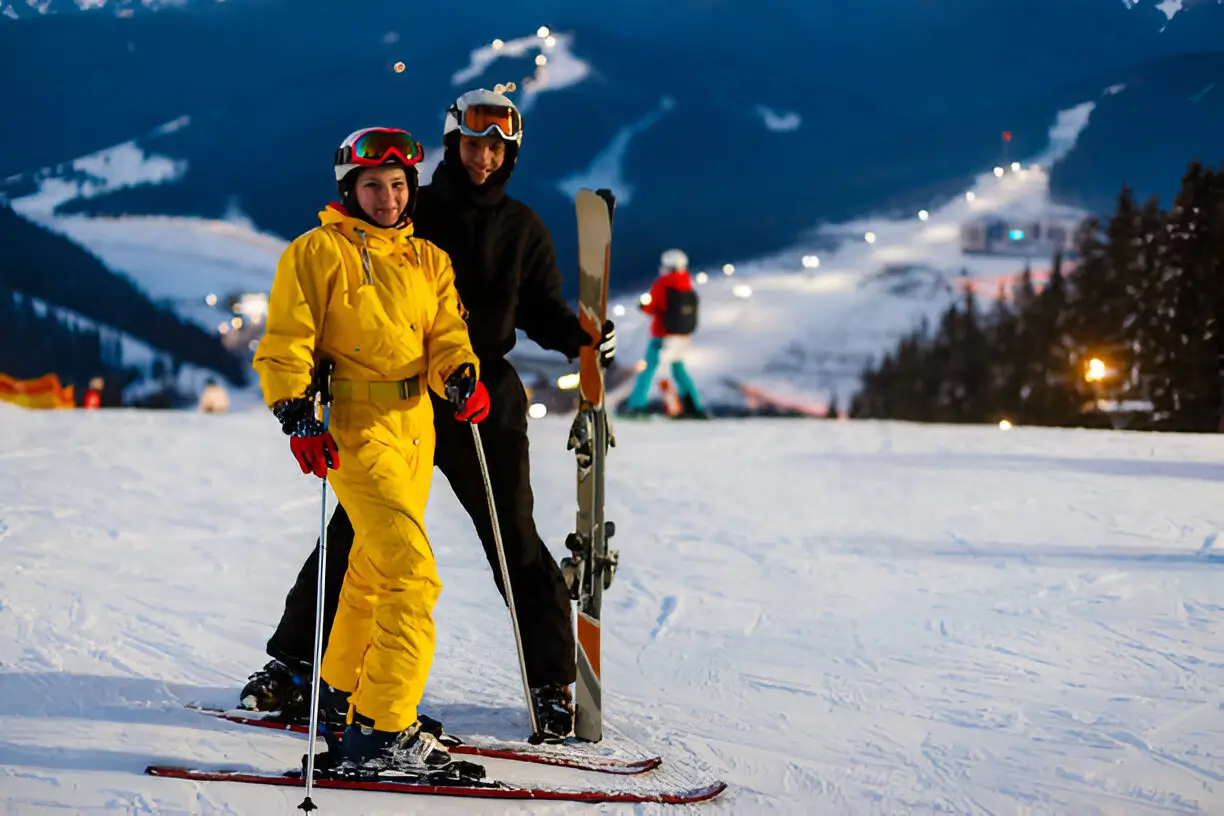
Kashmir's weather is a four-season climate at roughly 1,585 m (Srinagar), with cold snowy winters (December to February, daytime 7 to 10 C, nights below freezing), a rainy spring (March to April), mild summers (June to August, 28 to 30 C highs) and a dry, golden autumn (September to November).
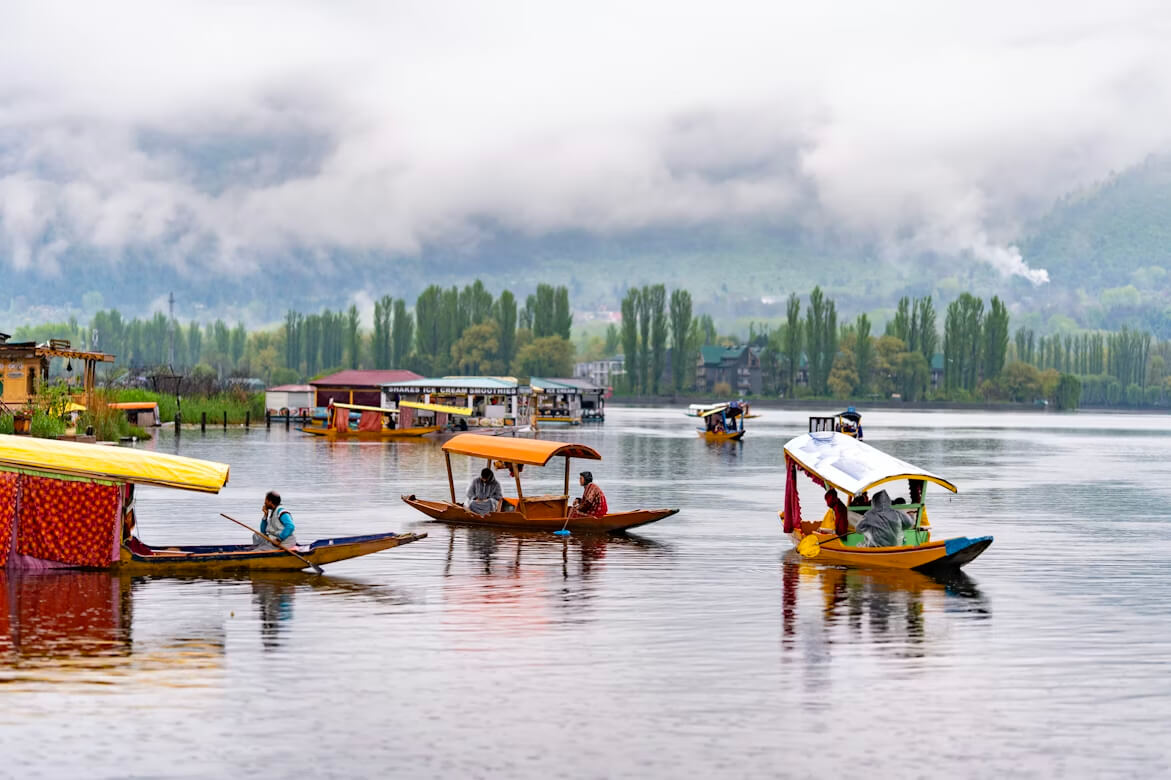
Kashmir Weather Month by Month (2026-27): Temperature Chart, Rainfall, Snow and What to Pack
Kashmir's weather is a four-season climate at roughly 1,585 m (Srinagar), with cold snowy winters (December to February, daytime 7 to 10 C, nights below freezing), a rainy spring (March to April), mild summers (June to August, 28 to 30 C highs) and a dry, golden autumn (September to November). The most comfortable months are April to June and September to October. The best months for snow are mid-January to February. The driest months are October and November. Hill stations such as Gulmarg and Sonamarg run roughly 7 to 8 C colder than Srinagar, so pack for the place you will sleep in, not for the city you land in.
Kashmir weather at a glance: Srinagar temperature chart
How to read it: temperatures are rounded long-term averages for Srinagar (about 1,585 m), based on India Meteorological Department figures for 1991-2020 (January and February) and Japan Meteorological Agency monthly normals for mean temperature and rainfall, with day and night ranges rounded from published station averages. Real days vary by several degrees, and the weather moves with weather systems called western disturbances. Use this as a planning guide, then check the forecast a week before you leave.
What the chart tells you that most blogs do not
October and November are Kashmir's driest months (about 23 and 28 mm of rain), which is why autumn is photographers' favourite.
March and April are the wettest (over 100 mm and about 90 mm). Many first-time visitors expect clear skies in tulip season and get showers. Pack a rain shell and plan flexible days.
Kashmir does not get the full Indian monsoon. July and August bring some rain and humid spells but fewer washouts than Himachal or Uttarakhand.
Day to night swings are big. In May and October, afternoons can feel warm while nights fall to 5 to 11 C. Layers beat one heavy jacket.
Heat is possible. Srinagar recorded a highest June maximum of 35.5 C in 2025 (the all-time June record is 37.8 C). Summers are mild on average but not always cool.
Weather by destination: why the hill stations feel different
Temperature falls by about 6 to 7 C for every 1,000 m you climb, so use these as estimates against the Srinagar chart:
Rule: if your itinerary includes Gulmarg or Sonamarg, pack for 8 to 10 degrees colder than the city forecast and add wind protection.
Month by month: Kashmir weather, what to do and what to pack
January: peak winter
Weather: Srinagar averages about 7 C in the day and -2 C at night, with about 60 mm of precipitation. Chillai Kalan, the 40-day deep winter from 21 December to about 30 January, covers most of the month.
Snow: the best odds of the winter at Gulmarg and Sonamarg; Srinagar can see snow too. Dry spells still happen, so check the forecast.
What it looks like: white meadows, frozen edges on Dal Lake, steam from kahwa cups.
Do: Gulmarg gondola, skiing and sledding, a heated houseboat, Wazwan dinners.
Watch out for: road closures to Sonamarg, Mughal Road and Zojila; flight delays from fog or snow; frozen pipes in budget hotels.
Pack: thermal base layers, fleece, down jacket, waterproof snow boots with grip, woollen socks, gloves, cap, muffler, UV sunglasses (snow glare is strong), lip balm, heavy moisturiser.
Best for: snow lovers, honeymooners, skiers.
February: snow and slow thaw
Weather: highs of about 10 C and lows near 1 C in Srinagar; rain is heavier (about 80 mm). Snow at Gulmarg is deepest now.
Do: ski lessons, igloo cafes, quiet Mughal gardens, shopping for pashmina and walnut wood.
Watch out for: slush in the city, slippery roads, sudden weather changes.
Pack: same as January, plus a waterproof jacket for wet snow.
Best for: skiing and fewer crowds than New Year.
March: early spring and rain
Weather: about 15 C highs and 4 C lows; one of the wettest months (over 100 mm). Almond blossoms begin around Srinagar.
Snow: Gulmarg and Sonamarg are still white; the valley floor is turning green.
Do: almond blossom photography, Gulmarg while snow lasts, Dal Lake in quiet light.
Pack: warm jacket, waterproof shell, closed shoes, umbrella.
Best for: budget travellers and photographers who accept showers.
April: tulips and showers
Weather: highs about 20 C, lows about 8 C, with frequent showers (about 90 mm). The Indira Gandhi Memorial Tulip Garden usually opens around late March to early April, so confirm dates each year.
Do: tulip garden, Mughal gardens, cherry and apple blossoms, Pahalgam valley walks.
Watch out for: rain disrupting sightseeing and crowds during tulip peak (book hotels and slots early).
Pack: light woollens, a rain jacket, comfortable walking shoes, a camera cover.
Best for: families, couples, flower lovers.
May: pleasant and open
Weather: highs about 25 C, lows about 11 C, with less rain (about 60 mm). Almost all roads and attractions are open.
Do: shikara rides, Pahalgam and Betaab Valley, Doodhpathri, Gulmarg meadows, Sonamarg (snow remains higher up).
Pack: light jacket, fleece, comfortable shoes, sunglasses, sunscreen.
Best for: first-time visitors who want warm days without heat.
June: warm and busy
Weather: highs near 28 C, lows near 15 C, with about 46 mm of rain; hotter spells are possible (35.5 C was recorded in 2025). Peak domestic season, so prices and crowds rise.
Do: Gulmarg, Pahalgam, Aru and Lidder rafting, Dal Lake sunsets, Yusmarg.
Pack: cotton layers, a fleece for evenings and hill stations, hat, sunscreen.
Best for: families on school holidays; book early.
July: warmest month
Weather: highs about 30 C and lows about 18 C, with about 59 mm of rain. Humid spells and thunderstorms occur. The Great Lakes trek season begins.
Do: high-altitude lakes and treks (with guides), Sonamarg, Thajiwas Glacier (if open), early-morning shikara rides.
Watch out for: landslides on mountain roads after heavy rain; carry a rain cover.
Pack: light clothing, rain jacket, trekking shoes, insect repellent.
Best for: trekkers and families who want green meadows.
August: green and humid
Weather: highs about 29 C and lows about 17 C, with about 68 mm of rain, the wettest month of the summer.
Do: treks, Pahalgam and Sonamarg meadows, lakes, village stays.
Pack: rain gear, quick-dry clothing, sturdy shoes.
Best for: trekkers and people who like green landscapes with fewer crowds than June.
September: golden and dry
Weather: highs near 27 C and lows near 12 C, with only about 38 mm of rain. Weather becomes calmer and clearer. Many weather and travel sources rate September among the most comfortable months.
Do: Dal Lake, Mughal gardens, Pahalgam, Gulmarg meadows, apple orchards, pre-peak saffron time in Pampore (check harvest timing).
Pack: light layers, a fleece, comfortable shoes.
Best for: photographers, couples and honeymooners who want mild weather.
October: chinar colour and crisp air
Weather: highs about 22 C, lows about 6 C, with only about 23 mm of rain (the driest month). Nights get cold, and temperatures change quickly after sunset.
Do: chinar leaf photography, Mughal gardens, saffron fields in Pampore (harvest generally around late October into November), apple harvest, Dal Lake sunrise.
Pack: a light down jacket or warm fleece, scarf, closed shoes, and a layer you can remove at midday.
Best for: photographers, honeymooners, anyone who wants clear skies and fewer crowds.
November: late autumn, first frosts
Weather: highs around 15 C, lows near 1 C, and only about 28 mm of rain. The first snow often falls on higher peaks, and the last chinar leaves drop.
Do: last autumn colour, Shankaracharya Temple, shopping, quiet houseboat stays, off-season rates.
Pack: warm jacket, thermals for evenings, gloves, cap.
Best for: budget travellers, photographers, and honeymooners who like quiet.
December: winter begins
Weather: highs about 8 C and lows about -1 C in Srinagar. Chillai Kalan starts on 21 December. Gulmarg often sees snow after mid-month, but early December can be dry.
Do: Christmas and New Year at Gulmarg, igloo cafes, Wazwan, shopping.
Watch out for: New Year price spikes and the risk of delayed flights and road closures.
Pack: the full winter kit (see below).
Best for: festive trips, families who accept some weather risk.
Best month for your trip type
What to pack for Kashmir (by season)
The layering system that works everywhere
Base layer: thermals or moisture-wicking tops (merino or synthetic, not cotton).
Insulating layer: fleece or light down jacket.
Outer layer: windproof and waterproof shell.
Accessories: cap, gloves, muffler, UV sunglasses.
Footwear: waterproof boots with grip in winter; comfortable walking shoes the rest of the year.
Winter (December to February)
Thermal tops and bottoms (2 sets)
Down or heavy padded jacket, plus a waterproof shell
Waterproof snow boots with grip; spare woollen socks
Waterproof gloves, woollen cap, muffler, neck gaiter
UV sunglasses or ski goggles; SPF 50 sunscreen and lip balm
Moisturiser, heel cream; a thermos
Power bank (cold drains batteries fast); keep your phone warm inside the jacket
Pashmina shawl for evenings
Spring (March to May)
Light woollens, a fleece and a rain jacket
Waterproof walking shoes, an umbrella, a camera cover
Allergy tablets if you react to pollen
Summer (June to August)
Cotton or quick-dry clothes for the day, plus a fleece for evenings and hill stations
Sunscreen, hat, sunglasses
Rain jacket and insect repellent for treks and Pahalgam
Trekking shoes if you plan hikes
Autumn (September to November)
Light down jacket or warm fleece for evenings
Scarf, closed shoes, a beanie in November
A camera with a spare battery
Everyone should carry
Government photo ID (hotels and gondola tickets need it)
Any regular medicines, plus basic cold, headache and stomach remedies
Cash for small vendors, shikara rides and shops (ATM and card availability is good in Srinagar but patchy in smaller places)
A reusable water bottle
A power adapter or extension board, since hotel sockets can be limited
Mobile network tip
Prepaid SIM cards bought outside Jammu and Kashmir generally do not work in the Union Territory, while postpaid connections usually do. If you have a prepaid number, buy a local prepaid SIM (with ID) or arrange one with your operator in advance. Confirm this with your operator before you travel because rules can change.
Tip: rent, do not buy, for one trip
Gulmarg has rental shops for snow boots, jackets, gloves and ski gear at reasonable day rates. If you only visit snow for one day, renting saves luggage space and money. Check fit and cleanliness before you pay.
Health and weather safety
Altitude: at Gulmarg Phase 2 and similar heights, headaches and breathlessness can happen. Go slowly, hydrate, and avoid heavy alcohol on arrival day.
Sun and snow glare: UV is stronger at altitude and snow reflects it. Use sunscreen and eye protection even on cloudy days.
Cold exposure: keep extremities covered and stay dry. Wet gloves and socks cause frostnip quickly.
Road closures: winter snow and spring or summer landslides can close the Srinagar-Sonamarg road or the Mughal Road. Keep one buffer day in your plan.
Flights: fog and snow can delay flights in winter. Avoid tight same-day connections after a Kashmir trip.
Heating: ask for room heaters, a bukhari (traditional wood stove) or electric blankets, and check ventilation, since poorly ventilated stoves are a risk.
Frequently asked questions
What is the weather like in Kashmir month by month?
Winter (December to February) is cold and snowy, with Srinagar daytime highs of 7 to 10 C and nights below freezing. Spring (March to April) is cool and rainy. Summer (June to August) is mild to warm, with highs of 28 to 30 C. Autumn (September to November) is dry and golden, cooling quickly into November.
What is the best month to visit Kashmir?
For comfortable weather, April to June and September to October. For snow, mid-January to February. For autumn colours, mid-October to early November. For trekking, July to mid-September.
Which month is coldest in Kashmir?
January is the coldest, with Srinagar lows around -2 C and colder readings in Gulmarg, Sonamarg and the gondola top.
Does it snow in Srinagar?
Sometimes, mostly from December to February. Snow at Gulmarg and Sonamarg is far more reliable than snow in the city.
Which are the rainiest months in Kashmir?
March and April are the wettest (over 100 mm and about 90 mm on average), followed by February. October and November are the driest.
Is Kashmir hot in summer?
Usually not. Srinagar's average July high is about 30 C, but short heat spells above 33 C are possible, and Pahalgam, Gulmarg and Sonamarg stay much cooler.
What should I wear in Kashmir in December?
Thermals, a fleece, a down jacket, a waterproof shell, snow boots, gloves, cap and muffler. Pack for Gulmarg, which is colder than Srinagar.
How cold is Gulmarg compared to Srinagar?
Roughly 6 to 7 C colder, because it is about 1,000 m higher; the gondola top is much colder.
Is Kashmir good to visit in the monsoon?
Yes for green landscapes and trekking, but expect some rain and keep flexible plans. Kashmir does not get the full Indian monsoon.
Can I trust a Kashmir weather forecast?
Use it for the next 3 to 5 days. Mountain weather changes quickly, so check again on the morning of any Gulmarg or Sonamarg day.
Plan around the weather with a local team
Weather is the main thing that makes or breaks a Kashmir trip, and it is the reason our packages include buffer time, heated stays and a backup plan for each snow or rain day. Tell us your dates and group on WhatsApp and we will suggest the best route for that month, with hotel names and cab details.
RD