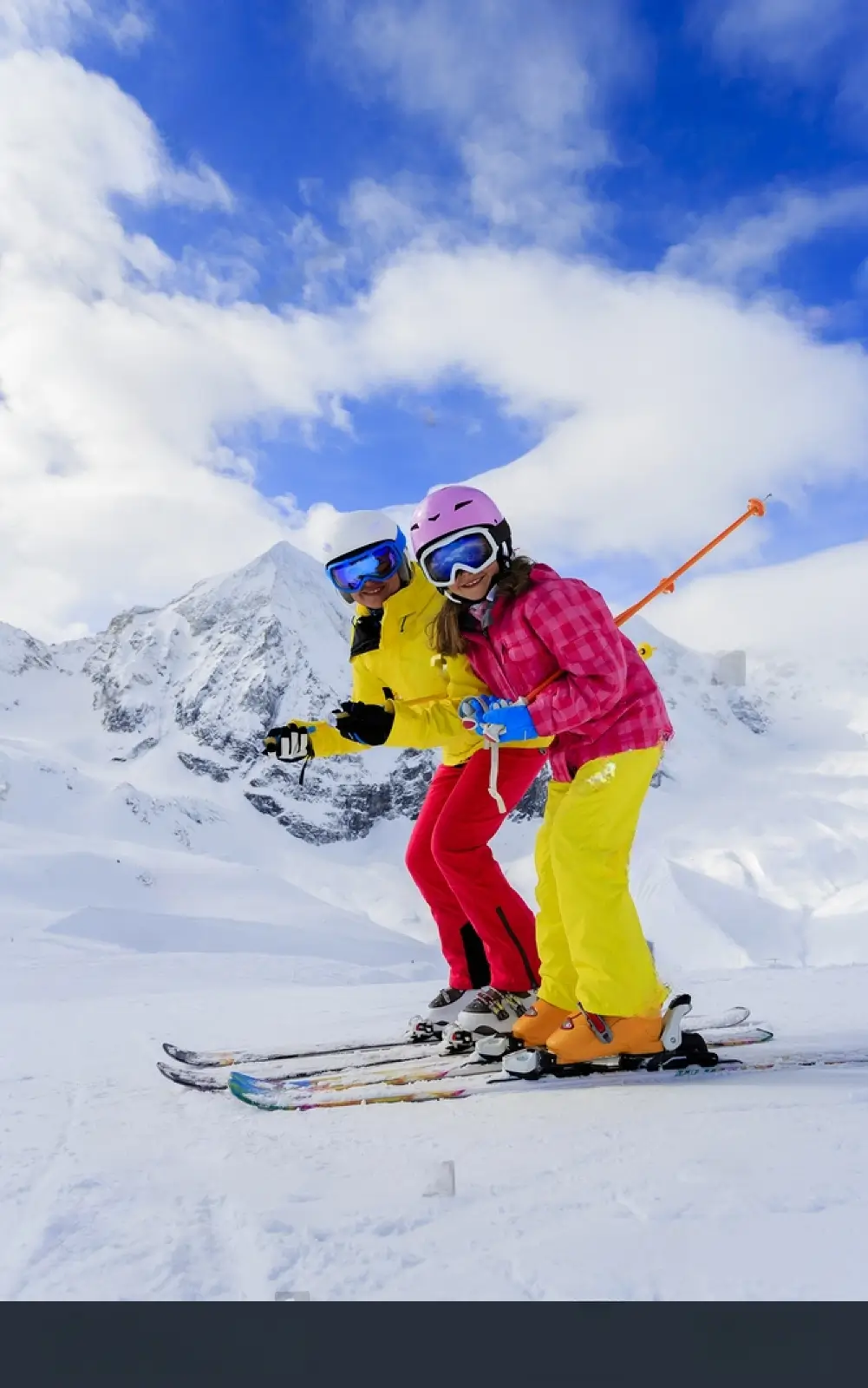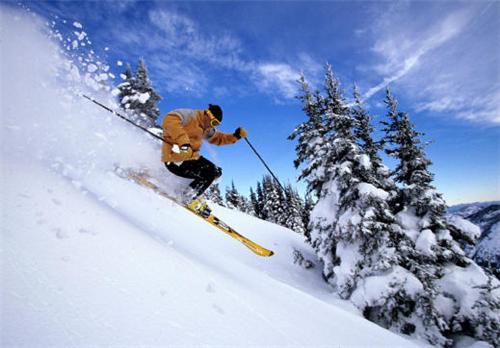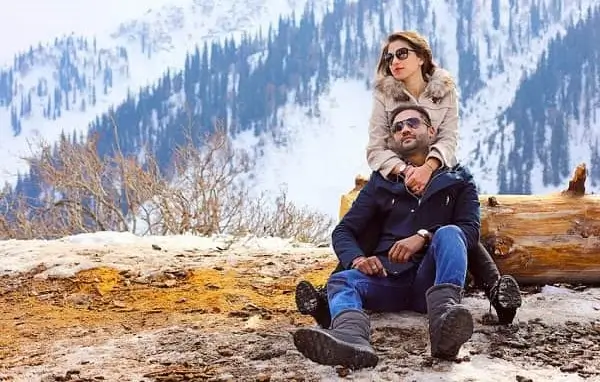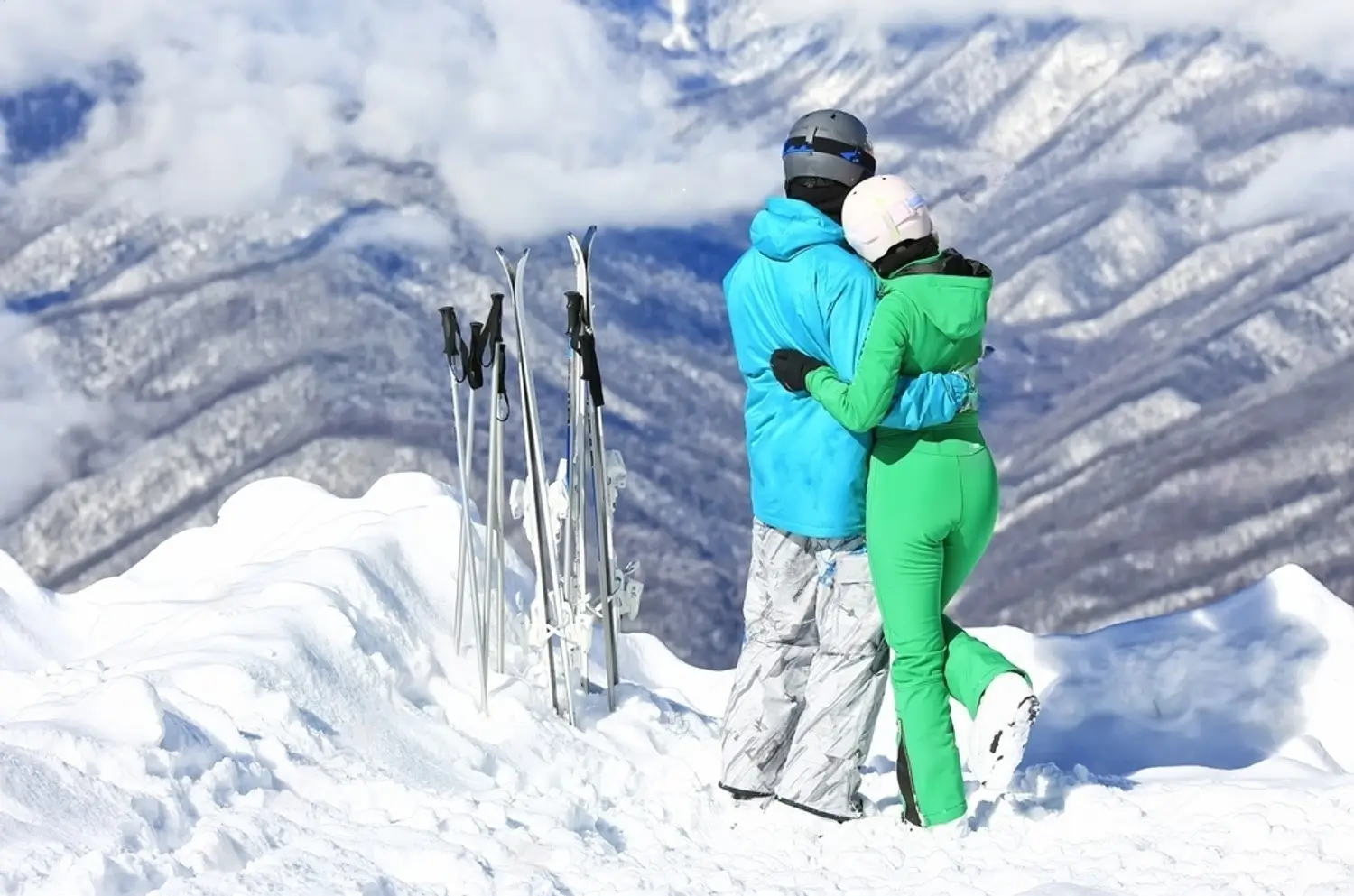
For a first snow trip, Kashmir (Gulmarg) gives the deepest snow, the biggest scenery and the best non-snow backup, but it costs more and takes more effort to reach. Manali is the easiest reliable snow for most budgets. Shimla is the easiest trip, but town snow is the least dependable.
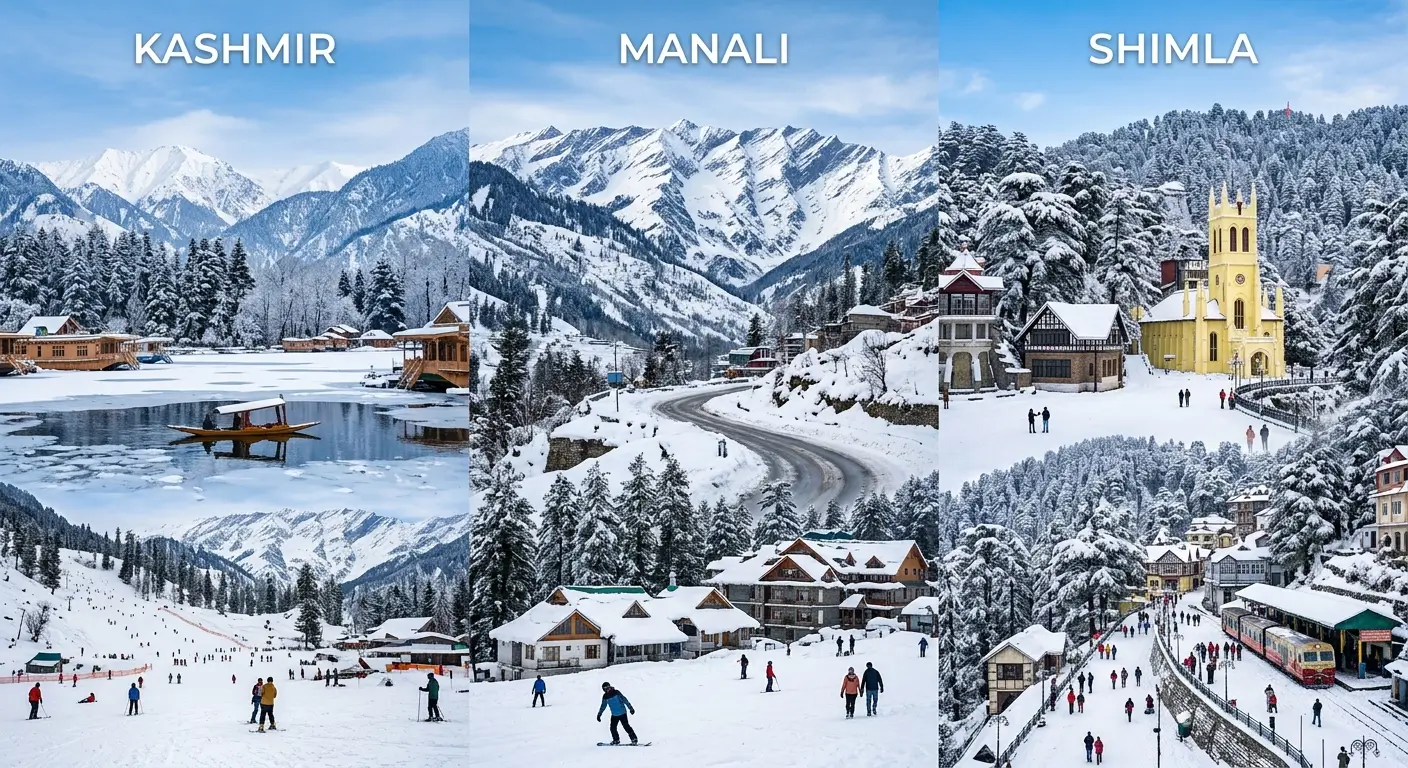
Kashmir vs Manali vs Shimla for a First-Time Snow Trip (2026-27): Which Is Actually Best?
For a first snow trip, Kashmir (Gulmarg) gives the deepest snow, the biggest scenery and the best non-snow backup, but it costs more and takes more effort to reach. Manali is the easiest reliable snow for most budgets. Shimla is the easiest trip, but town snow is the least dependable. If you can spare 5 to 6 days and want a trip you will remember for years, pick Kashmir between mid-January and February. If you have 3 to 4 days and a tighter budget, pick Manali. If you travel with seniors or want a short, comfortable getaway, pick Shimla and plan a Kufri or Narkanda snow day.
Below is the full comparison, with the uncomfortable facts included, because a first snow trip fails mainly when expectations meet a dry week.
At a glance
Altitudes are approximate; sources vary by a few hundred metres.
Why altitude decides everything
Snow does not fall "in Kashmir" or "in Manali". It falls at a certain height when a weather system arrives cold enough. In early winter, systems often arrive slightly too warm, so the lower town gets rain or sleet while the place a few hundred metres higher gets snow. This is why:
Shimla town (2,200 m) can be cold and wet in December while Kufri and Narkanda a short drive higher hold the actual snow. A 2026 analysis of India Meteorological Department normals for Shimla notes that December delivers only a small share of the year's snowfall and that most of it falls at the higher places around the town.
Manali town often has little lying snow even in winter, so everyone drives up to Solang Valley (about 14 km) or toward the Atal Tunnel for snow.
Gulmarg sits at about 2,650 m and the gondola goes to roughly 4,000 m, so you are already high when the weather turns. That is the main reason Kashmir feels like a "real" snow destination.
Takeaway: when you compare, ask "what is the altitude of the place I will actually stand on?" not "what is the name of the destination?"
Snow reality check: what the past winters show
No destination can promise snow on your dates. Here is the honest record.
Kashmir
Chillai Kalan, the 40-day deep-winter period, runs 21 December to about 30 January. Snowfall odds are highest in it, and the weeks after (Chillai Khurd) can also bring snow.
Dry spells do happen. Reporting on January 2025 called it one of the driest Chillai Kalans in recent years, with minimal snowfall that hurt winter tourism and Gulmarg visitor numbers. In 2025-26, the season began with a long dry spell, and fresh snow arrived in Gulmarg on 21 December 2025 (around two inches), with more at higher reaches.
When snow comes, it is deep and stays at Gulmarg because of the altitude. Early snow can also arrive at Sonamarg and Sadhna Top.
Be aware: Srinagar city and Pahalgam may stay snow-free even when Gulmarg is white. Plan your trip around Gulmarg, not around the city.
Manali
December to February is the main snow period. A winter guide citing IMD data reports Solang minimums near -7 C and 18 snowfall days in January 2025.
Rohtang Pass is generally closed to tourists in winter and reopens from around May. The Atal Tunnel bypasses it for Lahaul traffic, but the road to the tunnel can be closed after snowfall.
January 2026 started unusually dry in Himachal, then early February brought snow and rain that blocked more than 300 roads across the state. The pattern is: dry, then sudden, then disruption.
Shimla
January is usually the strongest month for Shimla town; December is weaker, and many years stay dry through Christmas with the first real snow arriving in January.
Kufri (about 16 to 20 km away) and Narkanda (about 63 to 65 km away) are the dependable snow backups. Narkanda is higher and often holds snow when Shimla and Kufri stay dry.
Month-by-month snow odds (honest, not guaranteed)
Planning rule: book mid-January to mid-February for the best snow odds at all three. Book Christmas and New Year only if you accept some risk, and choose flexible plans.
Getting there: time, effort and cost
Our view: Kashmir looks hard to reach but is the shortest in actual hours if you fly. Manali is cheaper on paper but costs a full day each way in travel.
What you can actually do in the snow
Gulmarg Gondola: what first-timers should know
Phase 1 goes from Gulmarg (about 2,650 m) to Kongdoori (about 3,050 m). Phase 2 continues to the Apharwat shoulder at roughly 4,000 m. Phase 2 is the high-altitude experience; Phase 1 is easy and good for families.
Prices vary by source: roughly Rs 700 to 1,000 for Phase 1 and Rs 900 to 1,200 for Phase 2 per person. Confirm on the official J&K Cable Car Corporation (JKCCC) portal before you book, because second-hand blogs (including this one) go out of date.
Book ahead. Slots are limited in season and Phase 2 is rationed. You usually need a Phase 1 ticket before Phase 2.
Phase 2 can close for weather. If it does after you paid, refunds of the Phase 2 amount are generally processed in 7 to 10 working days.
Altitude is real. At about 4,000 m, headaches and breathlessness are common if you came straight from the plains. Hydrate, go slowly, and skip Phase 2 if you are unwell.
Know the risks. The gondola was suspended from 25 May to 25 June 2026 after a technical fault stranded around 300 tourists mid-air before they were rescued. It reopened after repairs and inspection. Always keep a Plan B for the day.
What if it does not snow?
This is where the three destinations separate most clearly.
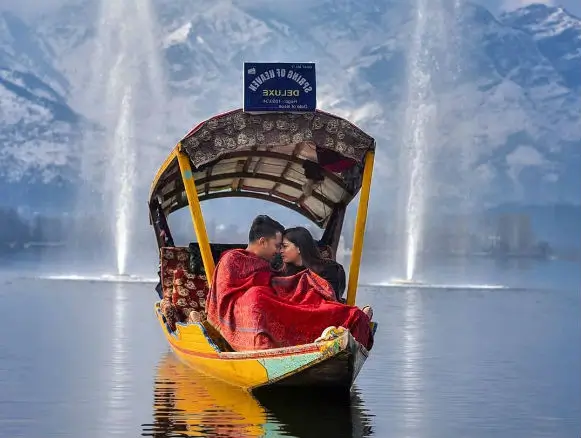
Kashmir: a dry spell still leaves a winter trip with frosty Dal Lake mornings, a shikara ride, a houseboat stay, the old city, Mughal gardens (bare but quiet), Kashmiri food, handicrafts and the Gulmarg meadow views. Many travellers say the trip was worth it even without deep snow, though they will be disappointed if their whole goal was snow play. Tourism officials themselves note Gulmarg is attractive in winter or summer.
Manali: Old Manali cafes, Hadimba Temple, Vashisht hot springs and the Kullu valley work without snow. The Atal Tunnel and Lahaul views still impress.
Shimla: Mall Road, the Ridge, Christmas Church and the toy train carry the trip, but if it is dry the trip can feel like a standard hill-station visit.
Cost: what to expect
Costs change by season and hotel class, so use these as relative guides and ask for current quotes.
For reference, our own Kashmir winter packages start at around Rs 11,999 per person for a budget 5-day winter trip (Srinagar, Gulmarg, Sonamarg) and rise for skiing-focused and luxury plans. (Update with your live prices before publishing.)
Money tip for first-timers: the cheapest trip is not the best one. A Rs 15,000 plan that spends three days in a car for a few hours of snow is worse value than a Rs 20,000 plan with a full Gulmarg day.
Safety, weather and road conditions
Check status before you book. In Kashmir, some attractions were closed after the April 2025 Pahalgam attack and were reopened in phases (more than 40 sites across J&K by February 2026, including Doodhpathri, Yousmarg and the Srinagar Tulip Garden). Others, such as Gurez, were to open once snow cleared. Always check official J&K Tourism or district notices for current status.
Carry valid photo ID in all three destinations; hotels and gondola tickets need it.
Weather closes roads. Heavy snow can shut the Srinagar-Sonamarg road, the road to Gulmarg for hours, the Atal Tunnel approach or the Shimla-Narkanda highway. Add a buffer day.
Fly in, do not cut it fine. Do not book a tight same-day onward flight after a Gulmarg day.
Use experienced local drivers. Winter driving on ice needs local skill.
Stay warm in your hotel. Ask for room heaters or heated floors, not just "heating available".
Altitude: keep the first day light, hydrate, avoid heavy alcohol, and know the symptoms of altitude sickness.
Honest scorecard (you can change the weights)
We scored each place from 1 to 10 on what matters most to a first-time snow traveller, then weighted each factor. This is our judgement, not a scientific ranking.
What this tells you: Kashmir narrowly leads because of snow quality, scenery and the non-snow backup, even though it is not the cheapest or easiest. Manali is almost level and wins on cost and snow reliability near the road. Shimla is last for snow but first for convenience. If your priority is cost and speed, change the weights and Manali or Shimla will move up. We think that is the honest way to show it.
Who should choose what
Seven mistakes first-time snow travellers make
Choosing dates by a calendar tip instead of checking the forecast a week ahead.
Staying only in the town (Srinagar, Manali, Shimla) and hoping for snow there.
Booking one night in Gulmarg or Solang only, so a bad-weather day ruins the trip.
Not booking gondola slots in advance in peak weeks.
Wearing jeans and sneakers. You need thermals, waterproof boots and a proper jacket (or rent gear locally).
Skipping the buffer day, then missing a flight when a road closes.
Choosing the cheapest operator with no clear inclusions. Ask which hotel, which cab type, who drives, and what happens if a road closes.
Final verdict
If you want one first snow trip that feels like a real Himalayan winter, Kashmir is our top pick for dates between mid-January and February: deeper snow, Gulmarg's skiing, a stunning landscape and a rich non-snow trip around it. Manali is the practical, lower-cost alternative for groups and short trips. Shimla is best seen as an easy, short winter break with Kufri or Narkanda as your snow day, not as a snow guarantee.
Planning a Kashmir snow trip? Tell us your dates, group size and budget on WhatsApp and we will send a day-by-day plan with hotel names, snow-day backups and the cab arrangements, within the day. See our winter packages or customise a tripcustomise a trip.
Frequently asked questions
Which is better for snow: Kashmir or Manali?
Both get heavy snow in deep winter. Kashmir's Gulmarg gives deeper snow, a bigger ski terrain and a more dramatic setting. Manali is cheaper and has dependable snow at Solang, but the road to higher places can close after snowfall. For a first trip with 5 or more days, Kashmir wins on experience; for 3 to 4 days on a budget, Manali often wins.
Does Shimla get snowfall every year?
Snow usually arrives in winter, but Shimla town is unreliable, especially in December. Kufri and Narkanda are better bets, and January is typically the strongest month.
Is snowfall guaranteed in Kashmir in December?
No. Gulmarg often has snow by late December, but dry spells in recent winters show it can come late. Mid-January to February is safer.
What is the best month for snow in Kashmir?
Mid-January to February for the most reliable snow and skiing, with Chillai Kalan (21 December to about 30 January) being the coldest and most likely snowy window.
Is Kashmir safe for tourists this winter?
Tourist circuits are heavily serviced and tourism has been reopening in phases. Check current advisories before you travel, keep to standard routes, carry ID and book with an operator who handles your transport and stays directly.
Is Manali or Shimla cheaper?
Both are cheaper than Kashmir if you add flights. Shimla is usually the lowest-cost option because of the shorter distance.
Can I see snow with kids or seniors?
Yes. Choose Phase 1 of the Gulmarg gondola, Kufri, or Solang's lower slopes. Avoid long high-altitude stays and keep a flexible schedule.
How many days do I need for Kashmir?
Five nights is ideal (2 Srinagar, 2 Gulmarg or Gulmarg plus Sonamarg, 1 buffer). Three nights is possible if you fly and focus on Srinagar plus Gulmarg.
Do I need a permit for Kashmir or Manali?
Main tourist areas need no special permit in Kashmir; some high-altitude or border-adjacent spots do. Rohtang has its own rules and is closed in winter, while Atal Tunnel and Sissu do not need the Rohtang permit. Always carry ID.
AG