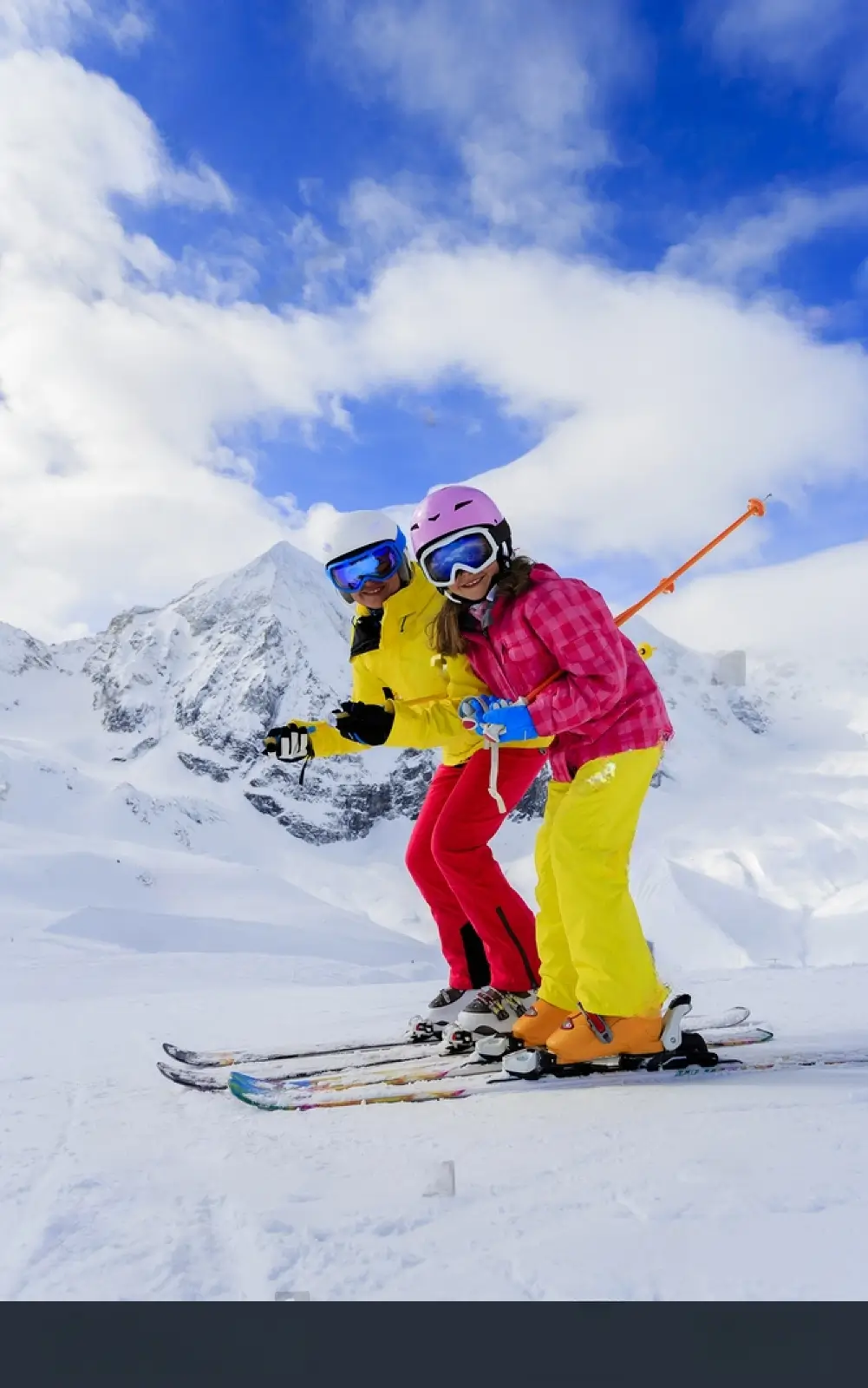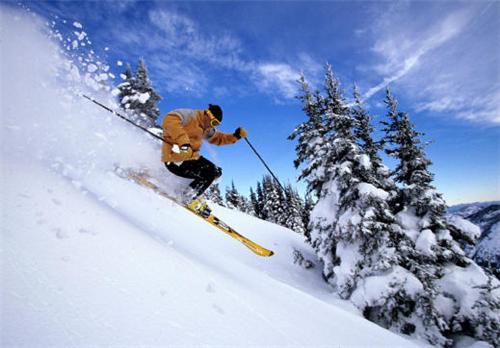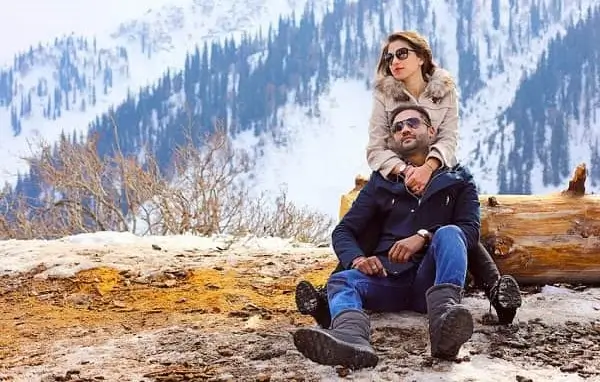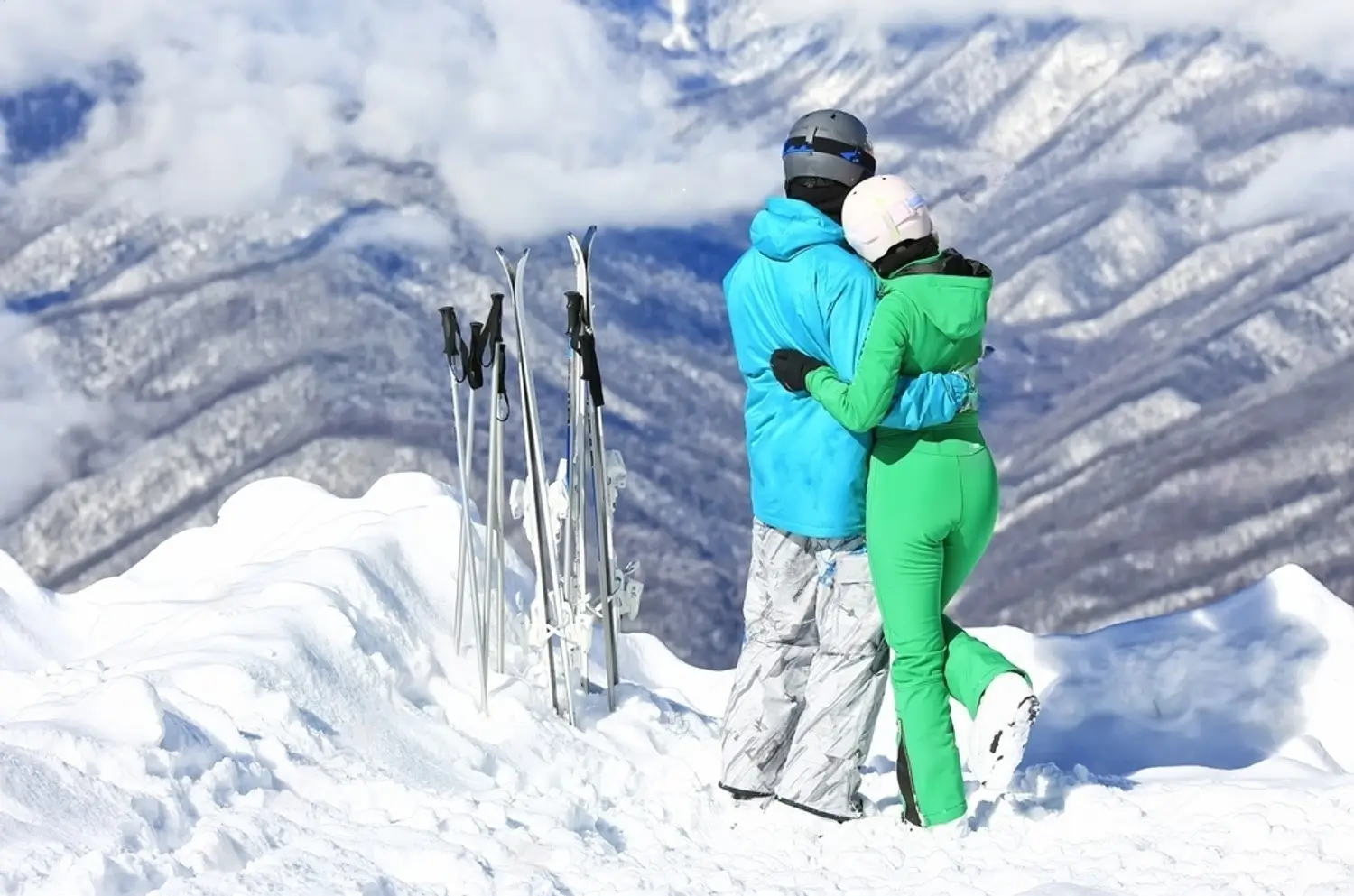
Millions of people have visited Kashmir's main tourist circuit (Srinagar, Gulmarg, Pahalgam, Sonamarg) without any security problem, and most visitor trouble is about weather, roads and overcharging rather than violence.
Is Kashmir Safe for Tourists in 2026-27? An Honest, Updated Guide
Millions of people have visited Kashmir's main tourist circuit (Srinagar, Gulmarg, Pahalgam, Sonamarg) without any security problem, and most visitor trouble is about weather, roads and overcharging rather than violence. But "safe" is not the same as "risk-free". Kashmir has a real security history, a deadly attack on tourists near Pahalgam on 22 April 2025, a visible security presence, and several Western governments advise against travel to Jammu and Kashmir. Whether it is right for you depends on who you are, where you go and how you plan. This guide lays out the facts so you can decide.
We live and work in Kashmir and take tourists here every week. We will not tell you "it is perfectly safe", because no honest operator can. We will tell you what has changed, what the real risks are and what we advise.
Kashmir safety at a glance
What happened and what has changed
Sources: ETV Bharat (15 October 2026), Business Today and Travel Trade Journal (February 2026), news reports on the reopenings. Verify the current open and closed list before you publish.
What this tells you:
The main circuit has been open and operating, and visitors are returning, but numbers have not returned to 2024 levels.
Some less-visited sites were still closed and a few are expected to reopen only after winter. Do not assume every place in an older guide is open.
Tourism officials, hoteliers and drivers are keen for visitors to return and are on high alert, which is why you will see more checkpoints and security personnel than before 2025.
Government travel advisories: what they say and why they matter
Several foreign governments issue warnings about Jammu and Kashmir. Wording changes, so read the current text on each government's site before you go.
What this means in practice:
Indian tourists: there is no domestic travel ban. Follow local notices, avoid sensitive areas, and keep flexible bookings.
Foreign tourists: read your government's advisory carefully, check whether your travel insurance covers areas under a "do not travel" warning (many policies do not), and register with your embassy if possible. Many foreign visitors still travel here with a licensed local operator, but that is your personal decision.
Advisories describe risk on paper; the on-the-ground experience of tourists on the main circuit is often calmer than the wording suggests. Both facts are true. Do not ignore the advisory, and do not treat it as the whole picture.
Which areas are the most visited, and which need more care
Border tension also flares from time to time; Al Jazeera reported a border incident and diplomatic summons on 3 October 2026. The Srinagar tourist circuit is far from the Line of Control, but follow the news before you travel.
The risks tourists actually run into
1. Weather and roads (the most likely problem)
Heavy snow, landslides and fog cause far more disrupted trips than security events. Gulmarg Gondola closures, Sonamarg road blocks and flight delays are regular winter and monsoon events. Notable example: the Gulmarg Gondola was suspended in May and June 2026 after a technical fault stranded about 300 tourists, who were rescued. Weather-proof your plan:
Keep a buffer day before any flight home.
Do not plan a same-day onward flight after a Gulmarg or Sonamarg day.
Ask your operator what happens if a road or gondola is shut.
Check the forecast and road status each morning.
2. Driving and mountain roads
Use experienced local drivers; winter roads can be icy.
Avoid late-night driving, especially in rural stretches.
Expect security checkpoints on highways. Keep your ID handy and be patient.
Self-drive can be hard: checkpoints, narrow roads, snow, and unfamiliar rules.
3. Altitude and cold
Headaches and breathlessness are common at Gulmarg Phase 2 (about 4,000 m). Go slowly, drink water and avoid heavy alcohol on arrival day. Carry regular medicines and wear proper layers. See our weather and packing guide.
4. Overcharging and scams (a real, recurring complaint)
Kashmir Observer reported in October 2026 that tourists continue to complain about unexplained bills and inconsistent price checks, including bottled water sold above its printed MRP in Gulmarg, and that enforcement often depends on a written complaint. Practical protection:
Check the price before you order food, ponies, sledges or photo shoots.
Look for printed rate cards at shikara ghats and tourist counters.
Shikara rates are per boat, not per person; confirm the price and route first.
Check the MRP on packaged goods.
Book houseboats and hotels through verified listings or a trusted operator; ask for real photos and the exact lake or area.
Do not pay full advance to unknown agents. Check the operator's registered address, reviews and registration details.
Keep screenshots or receipts; report problems to the Tourism Department or tourist police.
5. Health and food
Drink bottled or boiled water, eat at busy restaurants and carry basic medicines. Hospitals in Srinagar (SKIMS Soura and SMHS) handle emergencies; hill stations have limited facilities, so keep travel insurance handy.
6. Connectivity
Mobile internet can be restricted at short notice during unrest. Prepaid SIM cards from outside the Union Territory generally do not work in J&K, while postpaid connections usually do. Download offline maps, tickets and hotel details, and share your itinerary with someone at home.
Is Kashmir safe for specific travellers?
Etiquette that keeps you comfortable
Dress modestly in villages and at religious places; carry a scarf or shawl.
Ask before photographing people. Avoid photographing security installations, checkpoints and military areas.
Do not fly drones without permission; restrictions are strict.
Alcohol is not widely available; do not assume you can buy it.
Avoid political arguments; stay respectful about local sensitivities.
On the days of closures or protests, stay at your hotel and follow local advice.
Pre-trip safety checklist
Check your government's travel advisory and your insurance terms.
Choose flexible, refundable bookings where possible.
Use a licensed operator or verified hotels; save their phone numbers.
Confirm the open and closed status of the places you plan to visit.
Carry valid photo ID (and passport and visa if foreign).
Share your itinerary and hotel details with family.
Buy travel insurance, including trip interruption and medical cover.
Carry a postpaid SIM or arrange connectivity; download offline maps.
Keep emergency contacts handy (see below).
Pack for weather risks (see our packing guide).
Emergency contacts (verify before you travel)
112: India's single emergency number (police, ambulance, fire)
1363: national tourist helpline run by the Ministry of Tourism
J&K Tourism Department and tourist police: use the numbers displayed at tourist reception centres and on official portals
Your hotel or operator: keep their 24x7 number saved
How we handle safety on our trips
How we handle safety on our trips
Local drivers who know the roads and checkpoints.
A daily check of road, weather and open-site status before we leave the hotel.
Hotels and houseboats we know in person, with real photos.
A backup plan for each snow, rain or closure day.
Clear refund and rescheduling terms in writing.
A 24x7 contact during the trip.
So, is Kashmir safe for you?
If you are an Indian traveller on the main circuit, with a good operator, flexible plans and current information: most visitors complete their trips without a security problem. The most likely issues are weather delays and overcharging.
If you are a foreign national or anyone with strict insurance conditions: read your advisory, confirm cover and decide carefully.
If you want remote border areas or unplanned adventure: the risk is much higher. Do not go without licensed guides and permission.
If you simply cannot accept any security risk: that is a valid choice, and we would rather you decide on facts than on a sales pitch.
We will not pretend the risk is zero. We can tell you what is open this week, which routes we use and what we would do in your place.
Frequently asked questions
Is Kashmir safe for tourists in 2026?
The main tourist circuit is open and visited by many travellers, but the region has a security history, a deadly attack on tourists near Pahalgam in April 2025, a visible security presence and foreign advisories against travel. Most visitor problems are weather and overcharging. Safety depends on where you go and how you plan.
Is Pahalgam safe now?
Pahalgam has been reopened in phases since the April 2025 attack, with tighter security. Check which viewpoints and valleys are open at the time of your trip and use registered guides and ponies.
Is Srinagar safe for tourists?
Srinagar is the busiest tourist hub, with hotels, houseboats and a visible security presence. Normal city precautions apply, and you should check for local closures.
Is Gulmarg safe?
Mainly weather, altitude, crowds and overcharging matter in Gulmarg. Check the gondola status and snow conditions, and confirm prices before buying anything.
Is Kashmir safe for solo female travellers?
Many women travel here alone and report positive experiences, but you should choose reputable stays, avoid remote places after dark, dress modestly, share your live location and keep the operator's number handy.
Is Kashmir safe for families with kids?
Many families visit every year. Stay on the established circuit, plan for cold and altitude, and keep a flexible schedule.
Is Kashmir safe for foreigners?
The US, UK, Canada and Australia are among governments that advise against travel to J&K, and many travel policies will not cover trips to areas under such a warning. Read your advisory and insurance terms, and travel with a licensed operator if you decide to go.
Are tourist places closed in Kashmir?
Some sites were closed after April 2025 and were reopened in phases (12 in September 2025 and 14 more in February 2026); a few more were expected to reopen after winter. Check the latest list before you go.
Is it safe to travel in Kashmir in winter?
Security-wise the situation is similar to other seasons, but weather risks go up. Plan for snow closures, delays and cold.
Do I need a permit to visit Kashmir?
Main tourist circuits need no special permit for Indian citizens. Some border-adjacent areas require permits, and rules for foreign nationals differ. Check with your operator and official sources.
Will my tour operator cancel or refund if things change?
Ask this before you pay and get the answer in writing. It is the most important question to ask any operator.
Plan a Kashmir trip with local support
Tell us your dates, group and concerns, and we will reply with the current status of each place on your list, a flexible itinerary and a written policy for closures and refunds.
Sources used in this guide
ETV Bharat, "Tourists continue to largely ditch Kashmir after Pahalgam attack with only muted recovery in 2026" (15 October 2026)
Kashmir Observer, "Kashmir has tourism rules, but where is the enforcement?" (14 October 2026)
Kashmir Reader, Chief Minister's remarks on Sonamarg as a year-round destination (15 October 2026)
Business Today and Travel Trade Journal, reports on the reopening of 14 tourist sites (February 2026)
Al Jazeera, Kashmir news page (border incident, 3 October 2026)
Government travel advisory pages of the United States, United Kingdom, Canada and Australia (read the current wording yourself)
LG