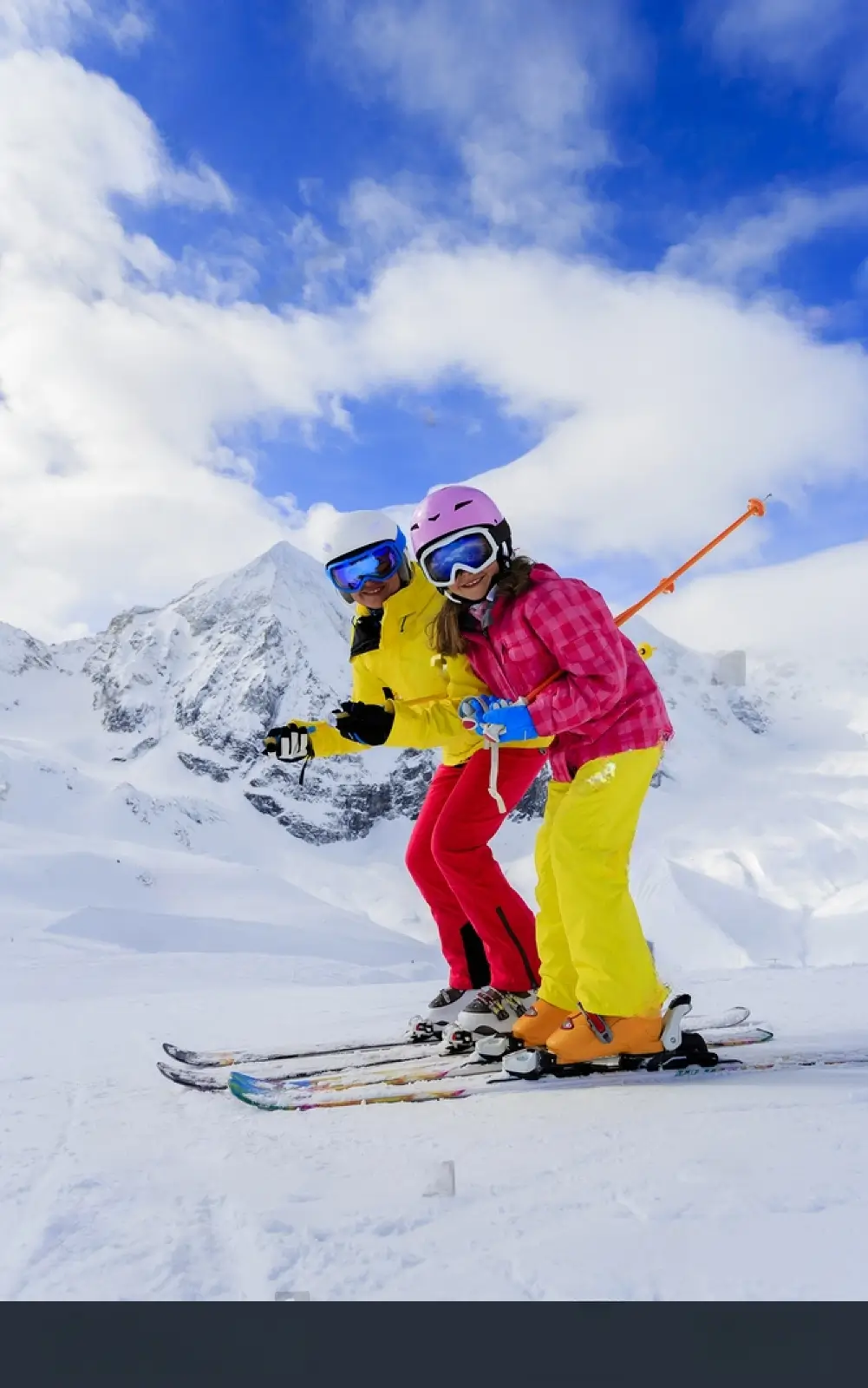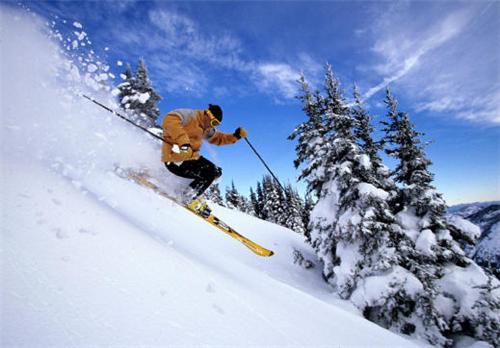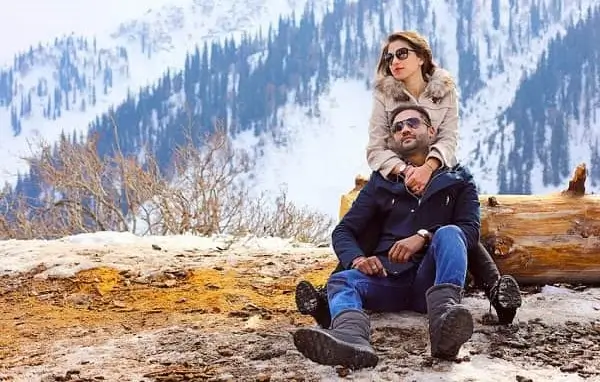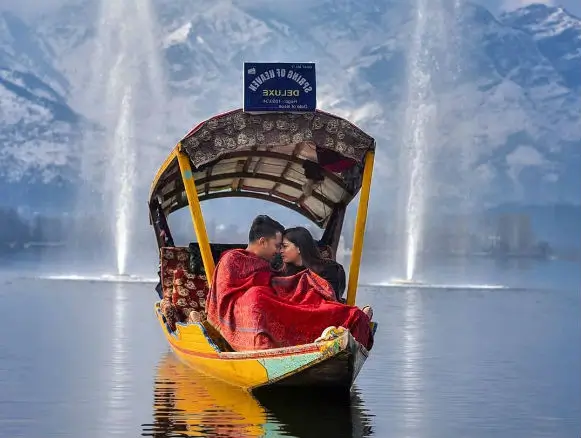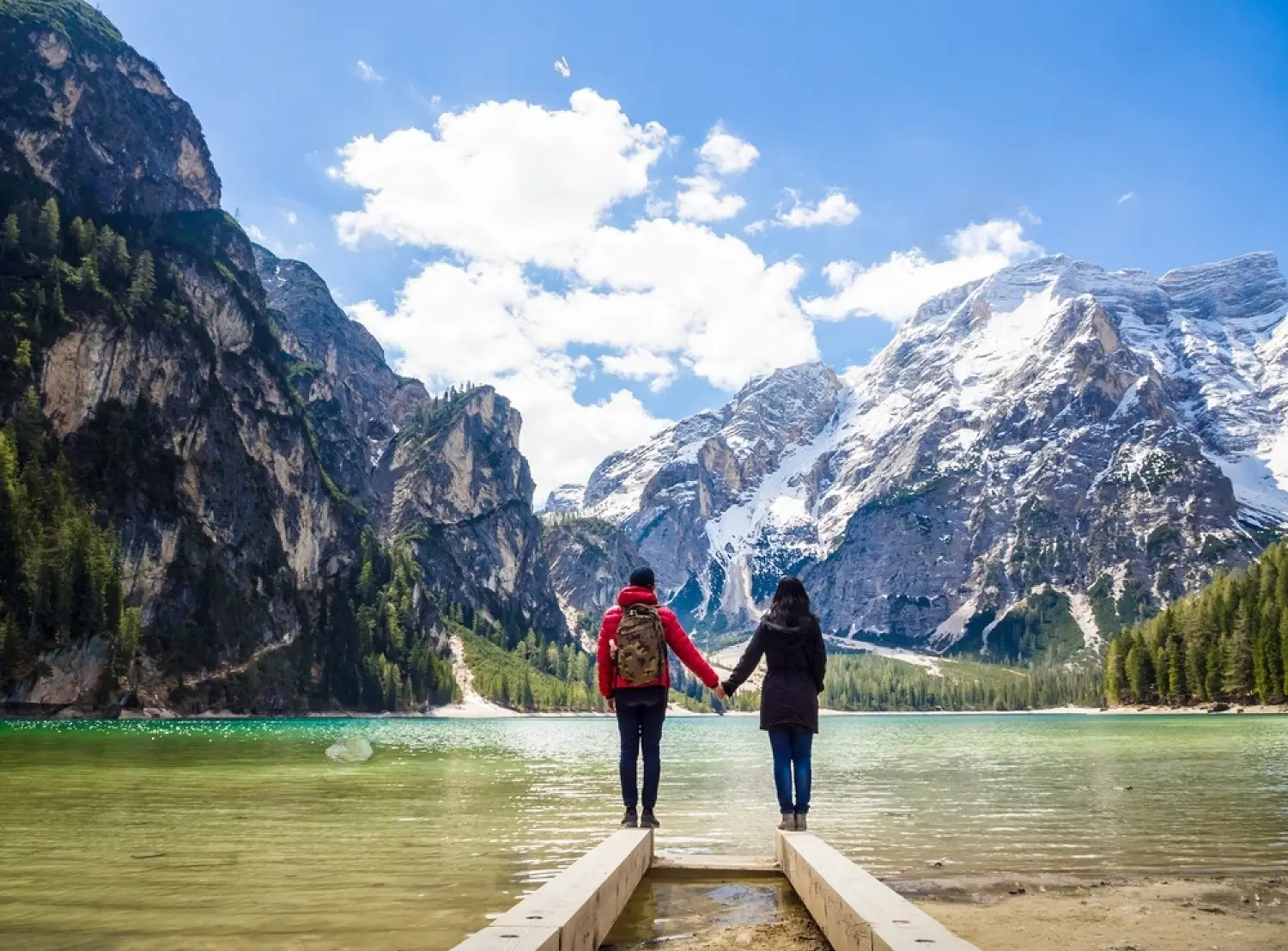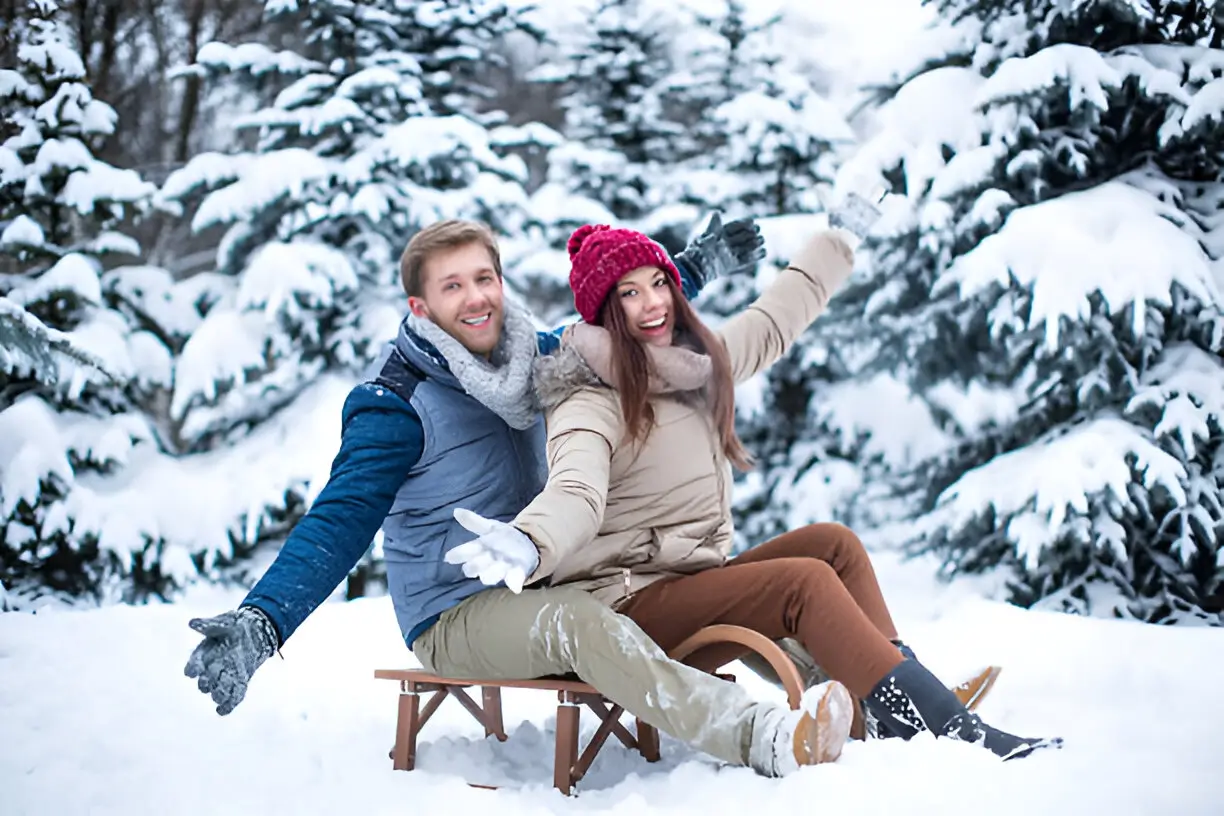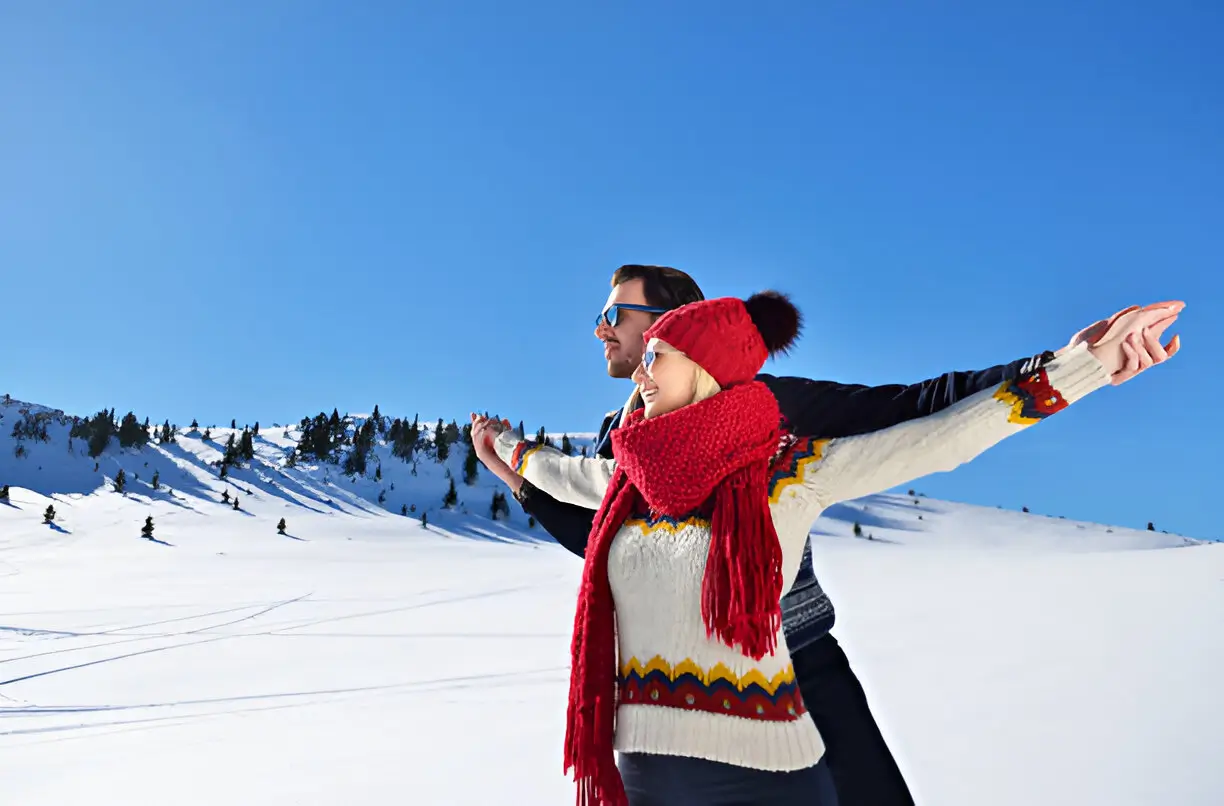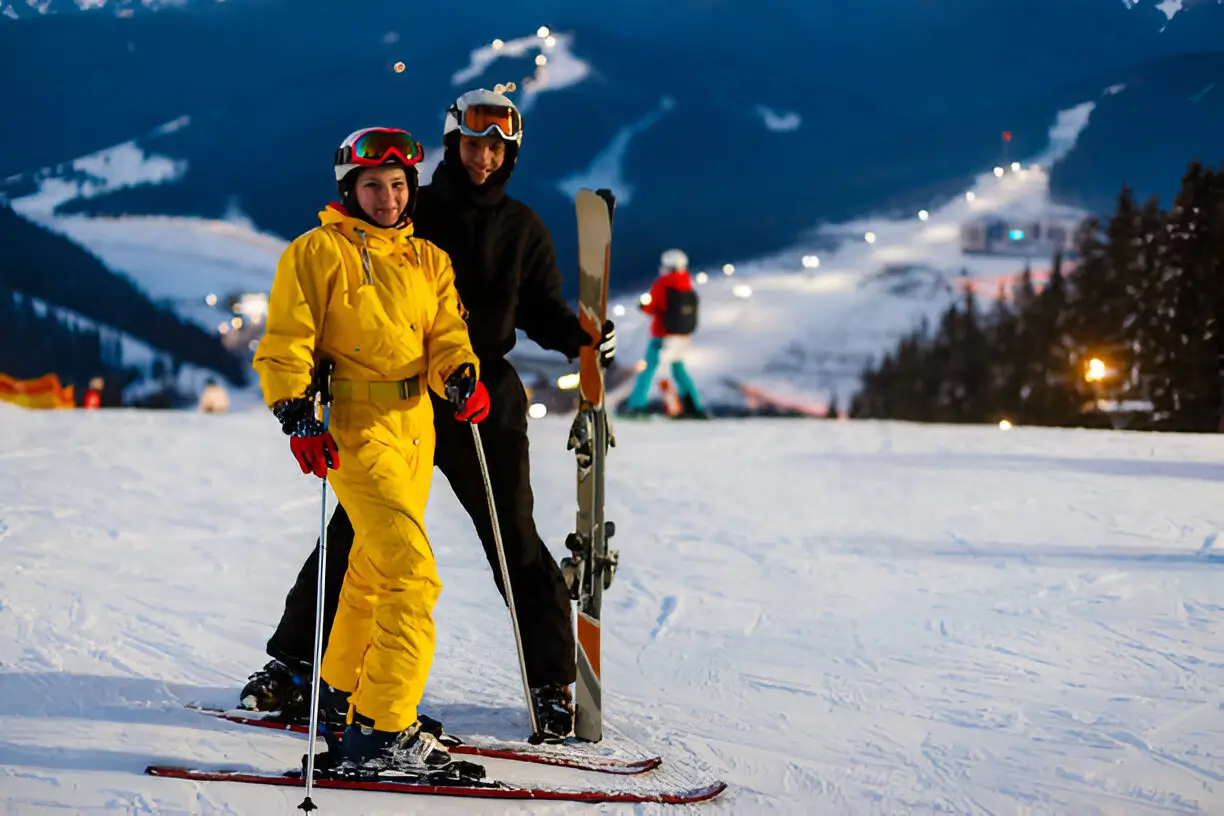
Kashmir in winter looks like a painting that came alive:
snow-covered pine forests, steam rising from a cup of hot kahwa, wooden
houseboats resting on a quiet Dal Lake, and the Pir Panjal mountains glowing
pink at sunrise. If you have ever dreamed of a real snowy holiday in India, Kashmir
in winter is the place to go.
By Reena Dhar • reenadhar11@gmail.com • Role: author•2026-11-21•
Kashmir winter travel guideKashmir weather December JanuaryKashmir winter tour package
Kashmir in Winter: The Complete Travel Guide (Weather, Places, Costs and
Tips)
Quick Answer: Is Winter a Good Time to Visit Kashmir?
Yes, if you love snow. December to February is the
best time to see snowfall in Kashmir, play in the snow, and try skiing in Gulmarg. It is
also the quietest season, so you get peaceful views and often better hotel
prices than in summer.
Winter may not suit you if you cannot handle very
cold weather, or if you want green meadows, open trekking trails and full
access to every valley. In that case, spring (March to May) or summer (June to
August) is better.
Kashmir in winter at a glance
•
Best months for snow: December, January and
February
•
Temperature in Srinagar: roughly -5°C to 8°C
•
Temperature in Gulmarg: can fall to -10°C or
lower at night
•
Ideal trip length: 5 to 7 days
• Best for: snowfall, skiing, honeymoons, photography, families who love snow
•
Main challenge: road closures and flight delays
during heavy snow, so keep one spare day in your plan
Kashmir Weather Month by Month (Winter Season)
Kashmir Weather Month by Month (Winter Season)
Temperatures below are approximate. Mountain weather changes
quickly, so always check the forecast a few days before you travel.
November: Autumn Turns to Winter
Days are cool and clear, and nights are cold. The famous
chinar trees lose their red and golden leaves early in the month. The first
snow usually arrives on the high mountains like Gulmarg and Sonamarg, and
sometimes in the plains late in the month. This is a good time if you want to
avoid the biggest crowds and still enjoy mild sunshine.
December: Snow Season Begins
This is when winter starts in full. Gulmarg often has good
snow by early December, and Srinagar may get its first snowfall. Christmas and
New Year are the busiest dates, so book hotels, flights and the gondola early.
Around 21 December, the coldest period begins.
January: Coldest and Snowiest
January is usually the coldest month, with the most reliable
snow. Srinagar nights often drop below freezing, and in very cold spells the
edges of Dal Lake can freeze. Gulmarg is at its best for skiing and snow play.
Roads can be closed for a few hours or days after heavy snowfall, so
flexibility is important.
February: Snow With a Little More Sunshine
The cold is still strong, but there are more sunny days,
which makes it great for photography. Gulmarg still has deep snow and good
skiing. February is one of the best months for couples, because there are fewer
crowds and more clear mountain views.
March: Winter Says Goodbye
Snow starts to melt in the plains, but you can still find
snow in Gulmarg, Sonamarg and Pahalgam. Late March brings the first signs of
spring, and the Tulip Garden in Srinagar usually opens around the end of March
or in April.
Understanding Chillai Kalan, Kashmir's Coldest 40 Days
Kashmiris divide winter into three traditional periods:
•
Chillai Kalan (about 21 December to 30 January):
the harshest 40 days, with the coldest nights and the heaviest snowfall.
•
Chillai Khurd (about 31 January to 19 February):
the "small cold", 20 days that are still freezing but slowly easing.
• Chillai Bachha (about 20 February to the end of February): the "baby cold", about 10 days before spring starts to arrive.
For tourists, Chillai Kalan means the best chance of heavy
snow, but also the coldest conditions. If it is your first time in such cold,
Chillai Khurd or February can be a more comfortable choice.
Best Places to Visit in Kashmir in Winter
1. Gulmarg: The Snow and Skiing Capital
Gulmarg (about 2,650 metres, roughly 50 km from Srinagar) is
the number one winter destination. The meadow turns into a huge white
playground, and it is home to one of the highest gondola (cable car) rides in
the world.
What to do in Gulmarg in winter:
•
Gulmarg Gondola: a two-phase cable car ride that
takes you high above the tree line to the Apharwat peak area, with sweeping
Himalayan views. Book tickets in advance during December and January, because
queues can be long.
•
Skiing and snowboarding: beginners can take
lessons from local instructors, and experienced skiers can explore the slopes.
Gulmarg also hosts national winter sports events.
•
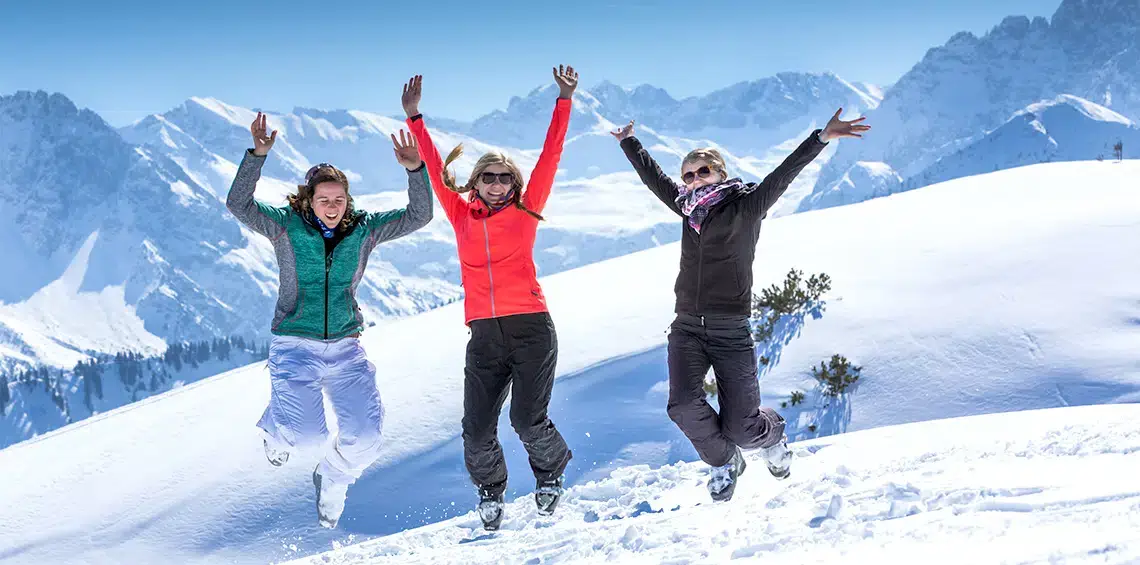
Snow play: sledding, snowball fights and snowman
building.
•
Photography: the frosted pine forests and the
Apharwat range are stunning at sunrise.
Tip: Gulmarg is very cold. Rent snow boots, gloves
and waterproof snow gear from local shops there if you do not want to carry
heavy items from home.
2. Srinagar: Lakes, Gardens and Warm Kashmiri Culture
Srinagar is your base for most Kashmir trips, and it is
beautiful in winter, quieter and calmer than in summer.
•
Dal Lake: on a cold, clear morning, the lake is
misty and peaceful. A shikara ride at sunrise or sunset is a must. In very cold
spells, parts of the lake edge may freeze.
•
Houseboat stay: staying on a traditional wooden
houseboat is a classic experience. Good ones have heating, thick blankets and
warm meals, but check heating before booking.
•
Mughal Gardens (Nishat, Shalimar, Chashme Shahi):
less colourful than in spring, but the bare chinar trees and dusting of snow
have their own charm.
•
Old City and Jamia Masjid: a walk through the
old lanes shows you the real Srinagar: bakeries, Kashmiri crafts and street
food.
•
Hazratbal Shrine and Shankaracharya Temple:
peaceful spiritual spots with city views.
3. Pahalgam: Quiet and Snowy
Pahalgam (roughly 90 km from Srinagar) is calm and scenic in
winter, with the Lidder River flowing between snow-covered banks. In snowy
weeks, places like Betaab Valley and Aru Valley look magical, though access to
some spots can be limited by snow or local conditions. Ask your driver or
travel company about current access before you go.
4. Sonamarg: The Meadow of Gold Under Snow
Sonamarg (roughly 80 km from Srinagar) is a high-altitude
valley with deep snow in winter. The road to Sonamarg has become more reliable
in recent years thanks to improved tunnels, but heavy snow can still cause
closures, so always check the road status that morning. Beyond Sonamarg, the
Zojila pass is typically closed in winter.
5. Doodhpathri and Yusmarg: Less Crowded Snow Escapes
If you want snow without the crowds, Doodhpathri (about 42
km from Srinagar) and Yusmarg (about 47 km) are lovely options for a day trip.
Access depends on weather and road conditions, so confirm before you go.
•
Ride the Gulmarg Gondola
•
Try skiing or snowboarding (lessons available for
beginners)
•
Take a shikara ride on Dal Lake at sunrise
•
Stay on a houseboat
•
Sip hot kahwa while watching snowfall
•
Shop for Pashmina shawls, phirans, walnut wood items
and saffron
•
Visit Kashmiri bakeries in the early morning
• Photograph frosted trees, mist on the lake and snowy villages
•
Take a day trip to the snow in Doodhpathri or Sonamarg
What to Eat in Kashmir in Winter
Winter is the best season for Kashmiri food, because the
cuisine is made to keep you warm.
•
Kahwa: green tea with saffron, cinnamon,
cardamom and almonds. Perfect after a cold day outside.
•
Noon Chai (Sheer Chai): the pink salty milk tea,
served with fresh bread.
•
Harissa: a slow-cooked meat dish served early in
the morning in Srinagar's old city during winter. Arrive early, as it often
sells out by mid-morning.
•
Wazwan: the grand Kashmiri feast with rogan
josh, yakhni, tabak maaz, rista and gushtaba. Try at least one wazwan meal.
•
Nadru Yakhni: lotus stem cooked in a
yogurt-based gravy.
•
Hokh Syun (dried vegetables): a traditional
winter dish, because in the old days fresh vegetables were dried in summer to
eat in winter.
• Kashmiri bread: girda, lavasa, bakirkhani and sheermal from local bakeries.
If you are vegetarian, do not worry. Kashmir has good
vegetarian dishes such as dum aloo, nadru yakhni, haak (collard greens), rajma
and paneer dishes. Just let your hotel or tour company know in advance.
What Is a Kangri?
You will notice locals carrying a small woven basket with a
clay pot of hot coals under their pheran (the long woolen cloak). That is a kangri,
the traditional Kashmiri winter heater. It is a lovely local souvenir, but do
not use it indoors on bedding or carpets, and use it carefully.
How to Reach Kashmir in Winter
By Air (Fastest and Most Reliable)
Srinagar's Sheikh ul-Alam International Airport connects
directly to Delhi, Mumbai, Bengaluru, Kolkata, Hyderabad and other cities.
Flights are the best choice for winter. However, fog and snow can cause delays
or cancellations, so:
•
Avoid booking tight connections on the same day.
•
Keep one flexible day at the end of your trip.
•
Choose flexible or refundable tickets if possible.
By Train
The rail link to the Kashmir Valley has made train travel an
option. The usual route is a train to Katra or Jammu, then a connecting train
to Srinagar. Check the latest timetable and availability, as services change.
By Road
The Jammu to Srinagar highway (NH44) is scenic, but it can
close during snow or landslides in winter. It takes around 8 to 10 hours in
good conditions. If you travel by road, always check the highway status that
morning and never travel at night.
Day 1: Arrive in Srinagar. Check in, rest, then enjoy
a sunset shikara ride on Dal Lake. Dinner with hot kahwa.
Day 2: Srinagar to Gulmarg. Drive to Gulmarg (about 2
hours). Gondola ride, snow play, optional skiing lesson. Return to Srinagar in
the evening or stay overnight in Gulmarg for the full snow experience.
Day 3: Gulmarg to Pahalgam. Drive to Pahalgam (about
4 hours depending on stops). On the way, you can stop at the saffron fields
area and local shops. Evening at leisure by the river.
Day 4: Pahalgam sightseeing. Visit Betaab Valley, Aru
Valley or Chandanwari if accessible. Enjoy snow activities.
Day 5: Pahalgam to Srinagar. Return to Srinagar,
visit Mughal Gardens and shop for shawls, dry fruits and handicrafts.
Day 6: Departure. Breakfast, then transfer to the
airport.
Note: In heavy snow, the order may change. A good
local company rearranges your days so you do not lose the experience.
How Much Does a Kashmir Winter Trip Cost?
Prices change with season, hotel type, number of travellers
and dates, so treat these as rough ideas, not fixed prices. Ask for a written
quote before booking.
|
Trip
style |
Approximate
range per person (excluding flights) |
|
Budget (3-star hotels, shared services) |
Lower range |
|
Standard (good hotels, private cab, houseboat night) |
Middle range |
|
Premium and luxury (top hotels, private guide, extras) |
Upper range |
The biggest factors that change the price:
•
Dates: Christmas and New Year week costs much
more than early or late winter.
•
Hotel type: a heated houseboat or luxury resort
costs more than a standard hotel.
•
Activities: gondola tickets, skiing gear and
lessons are usually extra.
•
Group size: more people sharing a car lowers the
per-person cost.
What a good package should include: hotel stays with heating, breakfast and dinner, a private cab for the full trip, airport pickup and drop, and sightseeing. What is often extra: flights, gondola tickets, ski gear, pony rides, lunches and personal expenses.
We will share our latest package prices on our winter
packages page, so you can compare real numbers.
What to Pack for Kashmir in Winter
The golden rule is layers. Wearing several thin
layers keeps you warmer than one heavy jacket.
Clothing
•
Thermal inner wear (top and bottom)
•
Woolen sweaters or fleece
•
A warm, waterproof, windproof jacket
•
Woolen socks (carry extra pairs)
•
Woolen cap, scarf and warm gloves
•
Waterproof snow boots with good grip
Essentials
•
Sunglasses (snow glare is strong)
•
Sunscreen and lip balm (the cold, dry air cracks skin)
•
Moisturiser
•
Power bank (batteries drain faster in the cold)
•
Personal medicines and a basic first-aid kit
•
Copy of your ID (carry a valid government photo ID for
hotel check-in)
Tip: You can easily rent snow boots, gloves and
jackets in Gulmarg and Sonamarg, so you do not have to buy expensive gear for
one trip.
Is Kashmir Safe for Tourists in Winter?
Thousands of tourists visit Kashmir every winter, and for
most travellers the trip passes smoothly. The most common problems in winter
are weather-related, not people-related: road closures, flight delays and
extreme cold.
That said, the security situation in any region can change,
so the honest advice is:
•
Check the latest government and travel advisories
before you book and again before you leave.
•
Travel with a registered, locally based tour operator
who knows current conditions.
•
Follow local guidance about which areas are open on a
given day.
•
Avoid travelling at night on mountain roads, especially
in snow.
We will cover this topic in more detail in our separate
guide, Is Kashmir Safe for Tourists in Winter?
Health and Safety Tips for the Cold
•
Dress in layers and keep your hands, feet and
ears covered.
•
Drink warm fluids and eat regular meals.
•
Take it slow in Gulmarg. The altitude can cause
headaches or breathlessness in some people. Rest if you feel unwell.
•
Be careful on ice. Roads and footpaths can be
slippery, so wear shoes with good grip.
•
Ask about heating in your room before booking.
It matters more than the star rating.
•
Carry cash as a backup, because networks and
ATMs can be unreliable in remote areas.
•
Mobile networks: many prepaid SIM cards from
outside the region do not work in Jammu and Kashmir, so check with your
operator before you travel. Postpaid connections generally work.
10 Common Mistakes Tourists Make in Winter
1.
Booking without a buffer day. Weather can delay
flights and close roads.
2.
Wearing only one thick jacket instead of layers.
3.
Packing no waterproof shoes. Wet feet get cold
very fast.
4.
Expecting every place to be open. Some roads and
attractions close after heavy snow.
5.
Not booking the gondola early in peak holiday
weeks.
6.
Choosing a hotel without checking heating.
7.
Trying to see too much in too few days. Winter
driving is slower.
8.
Travelling at night. Always plan to arrive
before dark.
9.
Skipping the local food. Winter is when Kashmiri
food tastes best.
10.
Ignoring local advice. Your driver and hotel
host know today's conditions better than any website.
Is Kashmir Good for a Honeymoon in Winter?
Absolutely. Snow, candlelit dinners, a private shikara ride,
a cosy houseboat night and a quiet Gulmarg morning make winter one of the most
romantic seasons. Choose a package with heated rooms, a private cab and a
flexible plan.
Is Kashmir in Winter Suitable for Families and Senior Citizens?
Yes, with some care. Children usually love the snow. For
seniors and small children:
•
Choose hotels with proper heating and ground-floor or
lift access.
•
Keep days short and avoid very early starts.
• Carry any regular medicines and keep warm clothes handy.
•
Choose a private cab rather than shared transport so
you can rest when needed.
Frequently Asked Questions
Which is the best month to see snow in Kashmir?
January is usually the best for reliable and heavy snow,
while December and February are also excellent. Gulmarg often has snow from
December to March.
Does it snow in Srinagar?
Yes. Srinagar usually gets snowfall between December and
February, but the amount varies from year to year. Gulmarg, Sonamarg and
Pahalgam get snow more reliably.
How many days are enough for Kashmir in winter?
Five to seven days is ideal. It gives you time for Srinagar,
Gulmarg and Pahalgam, plus a spare day in case of bad weather.
Is Gulmarg open in winter?
Yes, Gulmarg is open and is the most popular winter
destination. Heavy snow can occasionally delay the drive from Srinagar, so
check the road status on the day.
Can we do skiing as a complete beginner?
Yes. Local instructors teach beginners on gentler slopes.
You can rent equipment and take a short lesson.
Is Dal Lake frozen in winter?
Not completely in most years. In very cold spells, the edges
and some parts can freeze, but shikara rides usually continue when conditions
allow.
Is Kashmir too cold for children and senior citizens?
It is very cold, but with proper clothing, heated hotels and
a relaxed plan, families and seniors travel here comfortably every winter.
What is the cheapest month to visit Kashmir in winter?
Usually early December (before Christmas) and February have
lower prices than the Christmas and New Year peak.
Do we need any permit to visit Kashmir?
Indian tourists do not need a special permit for the main
tourist areas such as Srinagar, Gulmarg, Pahalgam and Sonamarg. Carry a valid
government photo ID. Rules for foreign nationals and for border areas can
differ, so check before travelling.
Should we book a package or travel on our own?
Both are possible. A good local package saves time, handles
road and weather changes for you, and often includes better hotel and cab
arrangements, especially in winter when conditions change quickly.
Final Words: Is Winter the Right Time for You?
If you want snow, calm, warm hospitality and a trip you will
remember for years, Kashmir in winter is hard to beat. Come prepared, stay
flexible, and let the mountains do the rest.
Plan Your Winter Trip With Kashmir Nirvana
We are a Kashmir-based travel company, so we know which roads are open this morning, which houseboats really have good heating, and which hidden spots are worth the drive. Tell us your dates, number of travellers and budget, and we will design a winter itinerary that fits you.
Get a free winter itinerary: message us on WhatsApp
or fill in the enquiry form on our website.
RD