
Learn about weather in Srinagar during Tulip Festival 2026: 12-21°C days, 4-10°C nights, light rain possible. Packing guide, monthly breakdown & tips for enjoying tulip blooms comfortably.
By Ankita Goyal • ankitagoyal@gmail.com • Role: author•2026-02-23•
weather in srinagar during tulip festivalsrinagar tulip festival weather 2026tulip festival srinagar temperature
Weather in Srinagar During Tulip
Festival – What to Expect in 2026
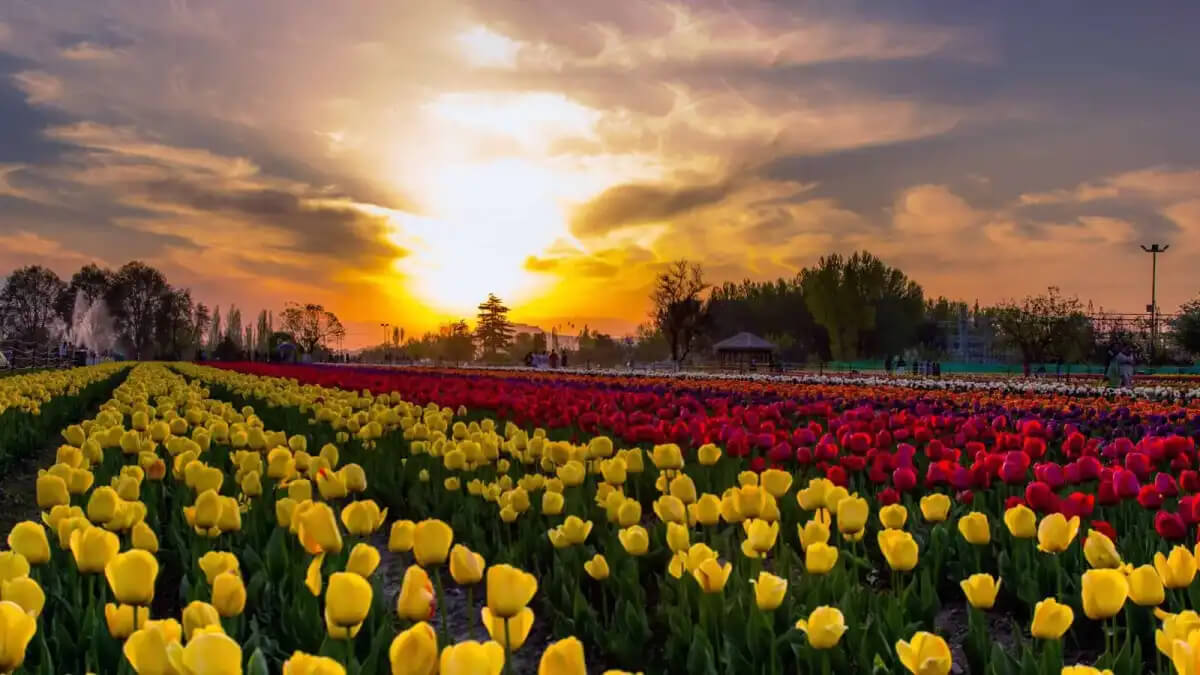
As the gateway to Paradise on Earth, Srinagar transforms into a floral paradise during the Tulip Festival at the Indira Gandhi Memorial Tulip Garden. If you're planning to witness Asia's largest tulip display amid blooming valleys and snow-capped mountains, understanding the weather in Srinagar during Tulip Festival is key to packing right, timing your visit, and enjoying outdoor activities comfortably.
The Kashmir Tulip Festival typically runs from late March to mid-April (expected 2026 dates: around March 20/23/25 opening to April 20–30, subject to weather). This spring window brings mild, pleasant conditions perfect for garden strolls, photography, and combining with Dal Lake shikara rides or Mughal garden visits. Here's a detailed breakdown of Srinagar weather during Tulip Festival based on historical averages, recent patterns, and 2026 expectations.

Overview of Srinagar Weather During Tulip Festival (Late March to Mid-April)

Spring in Srinagar marks the
transition from winter chill to warmer days. The Tulip Festival weather is
generally cool and refreshing, with increasing sunshine hours that accelerate
tulip blooming.
- Daytime Temperatures: 12°C to 20°C (54°F to 68°F)
- Late March:
Often 10–15°C highs, cooler start to the festival.
- Early to
mid-April (peak bloom): 15–21°C highs – most comfortable and sunny.
- Night-time/Evening Temperatures: 4°C to 10°C (39°F to 50°F)
- Mornings and
evenings feel chilly, especially around the lake or gardens. Light jackets or
shawls are essential after sunset.
Overall Feel:
Mild spring weather – crisp air, low humidity, and gentle breezes. No extreme
heat or heavy monsoon-like rains.
Rainfall:
Occasional light showers (5–10 rainy days per month), but prolonged downpours
are rare during peak bloom weeks. April tends to be drier than March.
Sunshine: Increasing from ~6–7 hours in late March to 8+ hours in April – ideal for outdoor photos without harsh glare.
This weather supports extended
walks in the tulip terraces, picnics, and nearby explorations like Nishat Bagh
or Pari Mahal, where almond and cherry blossoms add extra color.
Month-by-Month Breakdown: Srinagar Tulip Festival WeatherLate March (Festival Opening Phase)

- Average highs: 12–16°C | Lows: 3–7°C
- Weather: Cooler transition from winter; possible lingering fog in mornings. Tulips start budding; fewer crowds.
- What to
Expect: Crisp days perfect for early blooms against mountain snow. Pack warmer
layers.
Early April (Peak Bloom – Best Time)
- Average highs:
17–21°C | Lows: 6–10°C
- Weather: Sunny
and pleasant most days; light rain possible but quick-clearing.
- What to
Expect: Ideal conditions for full tulip spectacle (1.8+ million blooms).
Comfortable for all-day visits; golden-hour photography shines.
Mid to Late April (Late Bloom & Festival Closing)
- Average highs:
18–22°C | Lows: 7–11°C
- Weather:
Warmer trend; drier days. Tulips may start fading, but gardens remain vibrant.
- What to Expect: Pleasant for extended Kashmir itinerary (e.g., day trips to Pahalgam or Gulmarg).
Weather directly influences bloom timing: Warmer early March advances opening; cold snaps delay it. In 2026, expect similar patterns unless unusual February weather shifts things.
What to Pack for Srinagar Tulip Festival Weather

Layering is the secret to
comfort:
- Daytime: Light
t-shirts, jeans/trousers, light sweater or fleece.
- Evenings/Mornings:
Warm jacket, shawl, scarf, gloves (especially for early March).
- Footwear:
Comfortable walking shoes (paths can be damp after rain).
- Essentials:
Umbrella or light raincoat, sunscreen (UV is strong at altitude),
hat/sunglasses, camera gear.
- Extras: Thermal layers if sensitive to cold; reusable water bottle (stay hydrated).
Pro Tip: Check daily forecasts
1–2 weeks before via apps like AccuWeather, as bloom and weather announcements
come close to opening.
How Weather Affects Your Tulip Festival Experience
- Bloom Timing:
Sunshine in March speeds tulip opening; cold delays it.
- Crowds: Pleasant April weather draws more visitors on weekends – visit mid-week
mornings for serenity.
- Photography: Golden light in mild temps = stunning shots of colorful terraces against Dal Lake and Zabarwan hills.
- Health/Safety: Low risk of heatstroke or heavy rain; watch for slippery paths after showers.
Sample Day Plan in Tulip Festival Weather

- Morning (cool
8–12°C): Arrive early at Tulip Garden for dewy blooms and fewer people.
- Midday (warm
15–20°C): Explore terraces, enjoy folk performances or local food stalls.
- Evening (chilly 8–12°C): Sunset views, then relax on a houseboat with kahwa tea.
The weather in Srinagar during
Tulip Festival offers the perfect balance: cool enough for comfort, warm enough
for enjoyment, and just right for witnessing spring's magic. Whether for a
romantic getaway, family trip, or photography adventure, this season delivers
unforgettable moments.
Planning your 2026 visit? Contact Kashmir Nirvana
For tailored Kashmir spring packages including
houseboat stays, guided tulip tours, and weather-proof itineraries. Contact Kashmir Nirvana, the premier travel company based in Kashmir!
FAQ's
What is the weather like in Srinagar during the Tulip Festival?
During the Tulip Festival (late
March to mid-April), Srinagar experiences mild spring weather: daytime highs of
12–21°C (54–70°F), nighttime lows of 4–10°C (39–50°F). Expect sunny days with
occasional light showers, crisp air, and increasing sunshine—perfect for garden
visits and outdoor activities.
What are the average temperatures in Srinagar in March and April for the Tulip Festival?
- Late March (festival opening): Daytime 12–16°C (54–61°F),
nights 3–7°C (37–45°F).
- Early to mid-April (peak bloom): Daytime 15–21°C
(59–70°F), nights 6–10°C (43–50°F).
April is warmer and more comfortable overall, ideal for full tulip viewing.
Does it rain a lot during the Srinagar Tulip Festival?
Rainfall is moderate—expect
light, occasional showers (about 5–10 rainy days per month, ~80–90 mm total in
April). Prolonged heavy rain is uncommon; most days are clear or partly cloudy,
enhancing the blooms without disrupting plans.
What should I pack for the weather in Srinagar during Tulip Festival 2026?
Pack layers: light t-shirts and
jeans for days, warm jacket/shawl/scarf for mornings/evenings, comfortable
walking shoes (paths can be damp), umbrella/light raincoat, sunscreen,
hat/sunglasses, and a reusable water bottle. Include a portable charger for
photos.
Is the weather cold or warm during the Kashmir Tulip Festival?
It's cool to mild—days feel
pleasant (up to 21°C in April), but evenings and mornings are chilly (down to
4°C). No extreme cold like winter or heat like summer; perfect spring balance
for sightseeing.
How does weather affect the Tulip Garden bloom during the festival?
Warmer March sunshine speeds up
blooming (earlier opening), while cold snaps delay it. Light rain helps flowers
thrive, but heavy rain can make paths slippery. In 2026, expect peak bloom in
early-mid April with mild conditions.
What is the best time of day to visit Tulip Garden considering the weather?
Early morning (9–11 AM) for
cooler temps, dewy blooms, and fewer crowds; midday for warmer comfort and full
sunshine; late afternoon/evening for golden-hour photos before it cools down.
Avoid peak midday heat if sensitive.
Is Srinagar weather during Tulip Festival suitable for families and kids?
Yes—mild temperatures, no extreme
weather, and pleasant conditions make it family-friendly. Light layers keep
everyone comfortable; just watch for slippery paths after rain and ensure kids
have warm evenings wear.
What are the chances of bad weather ruining my Tulip Festival trip?
Low—spring weather is generally
stable with quick-clearing showers. Have a flexible itinerary (e.g., combine
with indoor Mughal garden visits or houseboat time if needed). Monitor
forecasts 1–2 weeks ahead via apps.
How does Srinagar weather in Tulip Festival compare to other Kashmir seasons?
Much milder than winter (snowy, below freezing) or summer (hotter, crowded). Spring offers the best combo: blooming tulips, pleasant 12–21°C days, and fewer tourists than peak summer—ideal for serene garden experiences.
AG