This Kashmir autumn itinerary gives you a practical 7-day plan covering Srinagar, Gulmarg, Pahalgam, and Sonamarg, along with the best time to go, costs, packing tips, and the questions first-time visitors ask most.
By Ankita Goyal • ankitagoyal@gmail.com • Role: author•2026-09-20•
Kashmir autumn itineraryKashmir in autumn7-Day Kashmir Itinerary
Kashmir Autumn Itinerary 2026: The Complete Guide to Chinar Season
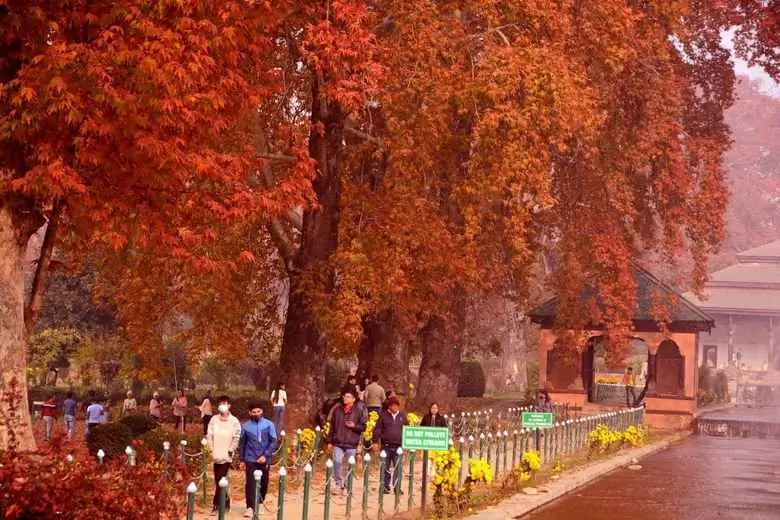
Autumn in Kashmir is not a subtle season. Locals call it Harud, and for a few weeks the Valley turns to copper, gold, and crimson. Chinar trees look as if they're on fire, saffron fields bloom purple at dawn, apple orchards hang heavy with fruit, and every hillside smells of woodsmoke and fresh kahwa.
If you're searching for a Kashmir autumn itinerary, this guide covers everything: when to go, where to see the best colours, how many days you need, what it costs, where to stay, what to eat, and how to avoid the mistakes first-time visitors make.
Quick answer: When is the best time to visit Kashmir in autumn?
Late October to mid-November is the peak window for red chinar leaves in Srinagar and for the saffron bloom in Pampore. September and early October are milder and greener, with apple harvests and fewer crowds. Colours vary slightly each year with rain and temperature, so check local updates before you book.
Kashmir in Autumn: Quick Facts

1. Why Visit Kashmir in Autumn?
The chinar spectacle. The Chinar (Platanus orientalis, called Bouin in Kashmiri) is the tree most associated with the Valley. Its leaves shift from green to yellow, orange, and deep red, then carpet the ground in brown and gold.
Saffron harvest. Kashmiri saffron is GI-tagged, and the flowers are hand-picked at dawn. Watching it happen is a rare cultural experience.
Apple and walnut season. Orchards in Shopian, Pulwama, Sopore, and Baramulla are busiest from September to November.
Clear, crisp air. Sunny days, cool evenings, and crisp views of the Pir Panjal and Zabarwan ranges.
Fewer crowds than peak summer. Many hotels, gardens, and viewpoints feel calmer, and bookings are easier outside the peak chinar weeks.
Unmatched photography light. Low golden-hour sun, misty lakes, and leaf-covered lanes.
Cosy culture. Kahwa, hot noon chai, and the first kangris (fire pots) appear as the cold sets in.
2. Best Time to Visit Kashmir in Autumn: Month-by-Month
September: Early Autumn
Days are pleasant and often sunny, but showers still occur and forecasts matter.
Apple and walnut harvests begin. Orchards are lush and fruit-laden.
Chinars are still mostly green. Higher altitudes such as Gulmarg and Sonamarg start showing touches of gold.
Good for: budget travel, orchard visits, relaxed sightseeing.
Trekking note: The Kashmir Great Lakes season winds down by mid-to-late September as nights cool and passes see early snow.
October: Colours Build
Early October: golden poplars, russet meadows, and the first orange chinar leaves. Clear skies are common.
Mid-October: colours deepen in Srinagar's gardens.
Late October: saffron flowers begin blooming, and Srinagar's chinars approach their peak.
Good for: the best balance of weather and colour.
November: Peak Colour, Then Fall
Early to mid-November: the red-and-gold peak. The Mughal gardens are at their most photogenic, and leaf carpets form on the ground.
Late November: leaves thin out quickly, nights turn freezing, and higher-altitude spots may see snow.
Good for: iconic chinar photography, saffron harvest, and cosy winter-approach vibes.
Colour timeline by location: Higher-altitude areas (Gulmarg, Pahalgam, Sonamarg) usually change colour slightly earlier than Srinagar. If you visit in early October, prioritise those. In November, focus on Srinagar and the Mughal gardens.
3. Kashmir Autumn vs Other Seasons
Important: The famous Tulip Garden (Siraj Bagh) is a spring attraction. It won't be open during autumn, so don't plan around it.
4. Kashmir Weather in Autumn
Srinagar: October days are mild (about 18°C to 20°C) with cool nights (about 5°C to 7°C). November days are cooler (about 12°C to 14°C), with nights near freezing.
Gulmarg and Sonamarg: Noticeably colder, especially at dawn and after sunset. Early snowfall is possible from late October, more likely in November.
Pahalgam: Cool and crisp, with riverside winds that feel colder than the thermometer suggests.
Daylight: Sunset can be around 5:00 to 6:00 PM depending on the date. Plan to finish long drives before dark.
Rain: Late September can still bring showers. Autumn weather is generally drier and clearer in October and November.
5. How to Reach Kashmir and Get Around

By air: Srinagar Airport (SXR) has direct flights from Delhi, Mumbai, Bengaluru, and other major cities. Book early for peak chinar weeks, as fares climb.
By train: The Katra–Srinagar rail link, including the Vande Bharat service, now connects the Valley with the national network. Check the latest timetable and availability on IRCTC before planning.
By road: The Jammu–Srinagar highway is scenic but long, and weather or landslides can cause delays. Allow buffer days.
Getting around the Valley:
Private cab with driver: The most flexible option for multi-destination trips. Agree on the route, days, and total price in writing.
Shared taxis: Cheaper for point-to-point travel but less convenient for sightseeing.
Local sightseeing cabs: Used for Gulmarg, Pahalgam, and Sonamarg union-rate trips. Ask for the official rate list.
Shikaras: For Dal Lake. Confirm the hourly rate and route before boarding.
6. Where to Stay in Kashmir in Autumn
Srinagar (base for 2 to 3 nights)
Houseboats (Dal Lake and Nigeen Lake): A must-do experience. Dal is livelier, while Nigeen is calmer and quieter. Check that the boat has reliable heating.
Lakeside and Boulevard hotels: Easy access to Dal Lake and Mughal gardens.
Rajbagh and Jawahar Nagar areas: Quieter, upscale residential stays.
Well-known luxury options include properties along Dal Lake and Gupkar Road. Check current reviews before booking.
Gulmarg: Book hotels close to the gondola base if you want early access. Heating is essential. Overnight stays are quieter and colder than day trips.
Pahalgam: Riverside hotels and resorts along the Lidder River give the best atmosphere. A bonfire evening is common.
Sonamarg: Limited stays. Riverside camps and hotels are available but book ahead. Many travellers do it as a day trip from Srinagar.
Tip: Ask about heating, hot water, and power backup. These matter more in October and November than star ratings do.
7. The 7-Day Kashmir Autumn Itinerary (Day by Day)

Route: Srinagar → Gulmarg → Pahalgam → Srinagar → Sonamarg → Srinagar. This plan cuts long transit days, which improves on plans that link Pahalgam to Sonamarg directly.
Day 1: Arrive in Srinagar and Dal Lake at Sunset
Arrive, check in, and rest after travel.
Afternoon: Freshen up and walk the Dal Lake Boulevard.
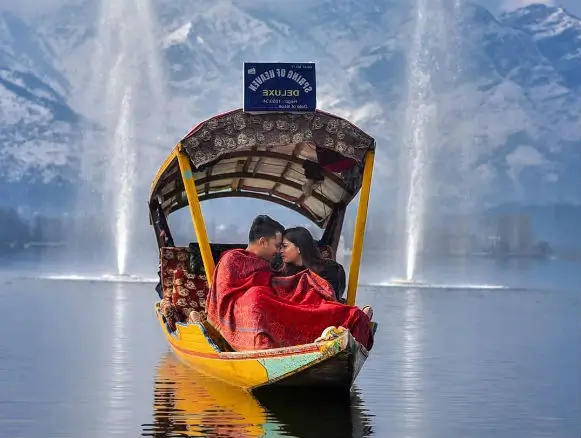
Late afternoon: Take a shikara ride on Dal Lake. Ask to include a floating garden stop and the Char Chinar island. Around sunset the light turns amber against the Zabarwan hills.
Evening: Sip kahwa on your houseboat deck or at a Boulevard café. Try Kashmiri dinner at a local restaurant.
Pro tip: If you arrive early, add a visit to Nehru Park or a short lakefront walk.
Day 2: Mughal Gardens, Chinar Trails and the Old City
The heart of your kashmir autumn trip.
8:30 AM: Nishat Bagh. A terraced Mughal garden with Dal Lake views, best in soft morning light.
10:00 AM: Shalimar Bagh. Grand and symmetrical, and gold-carpeted in peak November.
11:30 AM: Cheshma Shahi. A smaller garden built around a natural spring.
Lunch: Try Wazwan-style dishes at a popular local restaurant.
2:00 PM: Pari Mahal. A terraced garden with wide views of Srinagar and Dal.
4:00 PM: Old City walk. See the Jama Masjid (Indo-Saracenic, with wooden pillars) and the Khanqah-e-Moula shrine. Dress modestly and check access timings.
Evening: Bakery stop for fresh girda or lavasa bread, and shop near Lal Chowk.
Pro tip: Weekends can be crowded at the gardens. Go early for empty pathways and better photos.
Day 3: Srinagar → Gulmarg (Gondola Day)
Distance: approx. 50 km, about 2 to 2.5 hours each way.
8:00 AM: Start early so you reach the gondola before queues build.
Gulmarg Gondola: Phase 1 (Kongdoori) and Phase 2 (Apharwat, around 4,000 m). Book online through the official site if possible, and check that Phase 2 is operating that day, as weather can halt it.
Meadow walk: Golden-brown meadows framed by pine and fir, with distant Himalayan peaks.
Also see: Maharani Temple, St. Mary's Church, and the high-altitude Gulmarg Golf Course.
Altitude note: Phase 2 is high. Move slowly, hydrate, and avoid it if you have heart or respiratory conditions or feel unwell.
Afternoon: Return to Srinagar, or stay overnight for a quieter, star-filled evening.
Pro tip: In late autumn, dress for wind chill and possible early snow. Ask for the official pony or sledge rate card, and don't pay without agreeing on the price.
Day 4: Srinagar → Pahalgam via Saffron Fields
Distance: approx. 95 to 100 km, about 2.5 to 3 hours.
Early start. If you're travelling in the harvest window (late October to mid-November), plan to reach Pampore early. Saffron flowers are picked at dawn, and a single kilogram takes well over a hundred thousand flowers.
Saffron stop: Watch pickers at work, learn how stigmas are separated, and buy directly from trusted sellers. Ask about GI-tagged Kashmiri saffron.
Awantipora ruins: Ancient temple ruins associated with the Karkota dynasty.
Pahalgam: Arrive by afternoon. Walk along the Lidder River and settle in.
Evening: Bonfire, hot chai, and a quiet riverside dinner.
Day 5: Pahalgam Sightseeing → Back to Srinagar
Morning: Visit Betaab Valley, Aru Valley, and (subject to conditions) Chandanwari. Trout streams, pine forests, and autumn colours line the way.
Riverside stop: Try fresh trout or a simple Kashmiri lunch.
Afternoon: Drive back to Srinagar (about 3 hours).
Evening: Free time, shopping, or a relaxed dinner.
Important: Some sites near Pahalgam, including Baisaran, were closed after the April 2025 incident and reopened in phases. Access rules can change, so ask your hotel or driver for the current status and follow official advisories.
Day 6: Srinagar → Sonamarg (Day Trip)
Distance: approx. 80 km, about 2.5 to 3 hours each way.
8:00 AM: Depart early.
Sonamarg ("Meadow of Gold"): Golden birch, rushing Sindh River, and snow-dusted peaks.
Thajiwas Glacier: Reached by a short pony ride or trek, depending on conditions.
Lunch: River-side trout or local thali.
Zojila / Zero Point: Only if roads are open and permitted. Snow can close access.
Return: Leave by mid-afternoon so you're back before dark.
Day 7: Srinagar Highlights, Shopping and Departure
Morning: Visit Hazratbal Shrine or the Shankaracharya Temple for panoramic views. Note that electronics and bags may be restricted at the temple.
Shopping: Saffron, dry fruits, Kani shawls, papier-mâché, walnut woodwork, and copperware.
Departure: Leave generous time for airport or railway security. Avoid tight connections on the same day.
8. Shorter and Longer Plans

5-Day Kashmir Autumn Itinerary
Day 1: Arrive in Srinagar, Dal Lake shikara at sunset
Day 2: Mughal gardens, Old City, shopping
Day 3: Gulmarg day trip
Day 4: Saffron fields, Awantipora, Pahalgam overnight
Day 5: Pahalgam sights, return to Srinagar and depart
10-Day Kashmir Autumn Itinerary (Relaxed)
Days 1 to 3: Srinagar (Dal Lake, gardens, Old City, Shankaracharya)
Day 4: Day trip to Doodhpathri or Yusmarg
Day 5: Gulmarg
Day 6: Pampore saffron and Awantipora, then Pahalgam
Day 7: Pahalgam sightseeing
Day 8: Anantnag circuit: Achabal Garden, Kokernag, Verinag
Day 9: Sonamarg day trip
Day 10: Wular or Manasbal Lake, shopping, and departure
9. Itineraries by Traveller Type
Honeymooners: Two nights on a Dal or Nigeen houseboat, a private shikara at sunset, a candle-lit dinner, an overnight in Gulmarg, and a quiet riverside stay in Pahalgam. Slow the pace and skip early-morning rushes.
Families with children: Keep drive days short. Include Mughal gardens, a gondola ride (check age and height rules), and easy walks. Carry warm layers, snacks, and any medicines.
Photographers: Prioritise sunrise at Dal Lake, early Nishat and Shalimar, the Pampore saffron fields at dawn, and Aru Valley. Add a spare day for weather.
Seniors: Base in Srinagar for three nights, do short excursions, avoid Gulmarg Phase 2 unless medically fit, and avoid long same-day drives.
Solo and budget travellers: Choose homestays or budget hotels in Srinagar, use shared taxis where possible, and book a driver only for Gulmarg and Pahalgam.
10. Top Autumn Experiences in Detail

The Mughal Gardens
Nishat Bagh: Built in the 17th century, with terraces descending toward Dal Lake and chinars overhead.
Shalimar Bagh: Commissioned by Emperor Jahangir for his wife Nur Jahan, with a grand central canal and pavilions.
Cheshma Shahi: Small and calm, centred on a natural spring.
Pari Mahal: A terraced ruin on the hillside with sweeping views.
Achabal and Verinag (Anantnag): Less crowded, with their own chinar avenues and springs.
Chinar Spots Beyond the Gardens
Chinar Bagh and Nehru Park on Dal Lake, the University of Kashmir campus, roadside avenues around Dal, and old shrines around Srinagar all have impressive chinars. Locals traditionally collect fallen leaves to make charcoal for the kangri.
Dal Lake in Autumn
The lotus season has passed, but autumn brings mist, still water, and warmer light. Try the dawn floating vegetable market by shikara, typically early in the morning.
The Saffron Harvest
Pampore is the centre of Kashmir's saffron farming. Picking happens in the early hours before the flowers open fully. Visit early, ask before photographing pickers, and don't step into the rows.
Apple and Walnut Orchards
Visit Shopian, Pulwama, or Sopore. Always ask a farmer's permission before entering an orchard or picking fruit.
Wetlands and Birdwatching
Hokersar, Hygam, and Shallabugh wetlands begin to see migratory birds from October, with numbers building through winter. Check access rules and seasonal timings.
11. Offbeat Places to Add
Doodhpathri: A meadow with a stream, approx. 42 km from Srinagar (about 2 hours).
Yusmarg: A pine-fringed meadow, approx. 47 km from Srinagar.
Dachigam National Park: Home to the Hangul (Kashmir stag). Autumn is rutting season, which may improve chances, but sightings are never guaranteed. Check permit rules.
Achabal, Kokernag and Verinag: Springs, gardens, and trout in the Anantnag district.
Aharbal Waterfall: A dramatic cascade in Kulgam.
Manasbal and Wular Lakes: Calm, less-visited, and good for reflections.
12. Kashmiri Food to Try in Autumn
Wazwan: A traditional multi-course feast. Restaurants serve smaller versions of it.
Rogan Josh, Yakhni, Gushtaba, Rista and Tabak Maaz: Classic meat dishes.
Dum Olav (Kashmiri Dum Aloo), Haak, Nadru Yakhni and Modur Pulao: Vegetarian and sweet options.
Kahwa: Green tea with saffron, cardamom, cinnamon, and almonds.
Noon Chai (Sheer Chai): Pink salt tea, a Kashmiri staple.
Bakery breads: Girda, lavasa, kulcha, and bakarkhani, best fresh in the morning.
Harissa: A slow-cooked winter breakfast dish served in the Old City once the cold sets in, usually from late October or November.
Vegetarian travellers: Kashmir has plenty of vegetarian options. Ask restaurants and houseboat hosts in advance.
13. Shopping Guide
Saffron: Buy from reputable sellers or government-linked outlets, and look for GI-tag information. Genuine saffron releases colour slowly in water rather than instantly.
Pashmina and Kani shawls: Prices vary hugely. Ask about the GI tag, weave, and origin. Machine-made imitations are common.
Papier-mâché and walnut wood: Fine handicrafts, often available at state-run emporiums with fixed prices.
Dry fruits: Almonds, walnuts, and dried apricots.
Copperware and Kangri: Traditional items and souvenirs.
Tip: Compare prices at a government emporium before buying elsewhere, and ask for proper invoices.
14. Kashmir Autumn Photography Guide
Best spots and timing
Nishat and Shalimar Bagh: 8:00 to 10:00 AM for soft light
Dal Lake: sunrise for mist and floating shikaras
Chinar Bagh and Nehru Park: late afternoon for golden light
Pampore saffron fields: dawn
Aru Valley and Lidder River: mid-morning
Sonamarg: golden birches and fresh snow, morning
Tips
Bring a wide lens for garden avenues and a zoom for compressed leaf layers.
Shoot into low sun for glowing leaves.
Use a polarising filter on lake shots.
Carry spare batteries, as cold drains them quickly.
Ask permission before photographing people, and be respectful around shrines.
15. Kashmir Autumn Trip Budget (Approximate)
These are indicative figures and change with season, group size, and demand. Confirm current prices before booking.
Overall per-person estimate (6N/7D, excluding flights):
Money-saving tips: Travel in September or early October, share cabs, use homestays, and book early for peak weeks.
16. What to Pack for Kashmir in Autumn
Thermals, sweaters, and a warm jacket (a down jacket if visiting Gulmarg or Sonamarg in November)
Waterproof, grippy shoes and warm socks
Gloves, a cap, and a scarf
Sunglasses and sunscreen (mountain sun is strong)
Moisturiser and lip balm (the air is dry)
Light rain jacket for September and October
Power bank and spare camera batteries
Basic first-aid kit and personal medicines
Government photo ID and copies
Offline maps and some cash
A postpaid SIM, since prepaid SIMs from outside J&K have traditionally not worked. Check with your operator.
17. Safety, Etiquette, Connectivity and Health

Safety
Follow official advisories and check local news before and during your trip.
Stick to open, frequented sites, and ask your hotel or driver about current restrictions.
Keep buffer days in case roads close or weather turns.
Buy travel insurance that covers weather-related disruption.
Etiquette
Kashmir is a conservative, largely Muslim region. Dress modestly at religious sites and in villages.
Ask permission before photographing people.
Don't litter, break chinar branches, or burn plastic.
Connectivity
Mobile and internet service can be patchy in remote areas. Download maps and tickets offline.
Health and altitude
Sonamarg (about 2,800 m) and Gulmarg (about 2,650 m) are high enough for mild altitude effects. Gulmarg Phase 2 is far higher.
Ascend gradually, hydrate, and avoid heavy meals before high-altitude trips.
If you have heart, lung, or blood-pressure conditions, consult a doctor first.
18. Common Mistakes to Avoid
Visiting too early in October and expecting fully red chinars in Srinagar
Underestimating drive times. Mountain roads are slower than they look on a map.
Combining Gulmarg and Pahalgam in one day
Skipping advance bookings in peak chinar weeks
Driving after dark
Buying saffron or pashmina without checking authenticity
Expecting tulips. They bloom in spring.
Ignoring the weather forecast and packing too light
Not agreeing on cab or shikara prices upfront
Leaving no buffer before flights or train departures
Final Thoughts
There's no other time when Kashmir feels quite like this. Golden light through chinar leaves, saffron flowers opening at dawn, kahwa in your hands, and mist over Dal Lake make autumn one of India's most memorable travel seasons. Use this itinerary as your base, adjust it to your dates and pace, and book early for the peak weeks.
Planning your trip? Save this guide, share it with your travel partner, and check current advisories and road conditions before you leave.
FAQ,s
1. What is the best time to visit Kashmir in autumn?
Late October to mid-November is best for peak chinar colours and the saffron bloom. September is greener and milder, and early October offers clear skies with colours just beginning to build. Higher-altitude spots such as Gulmarg and Sonamarg turn a little earlier than Srinagar.
2. Is Kashmir worth visiting in autumn?
Yes. Autumn combines golden chinar trees, saffron fields, apple harvests, crisp weather, and smaller crowds than summer. It's especially rewarding for photographers, couples, and slow travellers.
3. How many days do I need for a Kashmir autumn itinerary?
Six to seven days comfortably covers Srinagar, Gulmarg, Pahalgam, and Sonamarg. A 4 to 5-day trip works if you focus on Srinagar, Gulmarg, and Pahalgam. Ten days lets you add Doodhpathri, Yusmarg, and the Anantnag circuit at a relaxed pace.
4. Where can I see chinar leaves turn red in Kashmir?
Nishat Bagh, Shalimar Bagh, Chinar Bagh, Nehru Park, Cheshma Shahi, and the University of Kashmir campus are among the best. Achabal and Verinag also have impressive chinars.
5. What is the weather like in Kashmir in October and November?
October is cool and sunny in Srinagar (roughly 5°C to 20°C). November is colder (roughly 0°C to 14°C) with frost at night, and early snow is possible at higher altitudes.
6. When is the saffron harvest in Kashmir?
Saffron flowers in Pampore typically bloom for about two to three weeks between late October and mid-November. Exact dates vary by year, and pickers work at dawn.
7. How much does a Kashmir trip cost in autumn?
As a rough guide, budget travellers spend ₹22,000 to ₹32,000 per person for six nights, mid-range travellers ₹35,000 to ₹55,000, and luxury travellers ₹70,000 or more, excluding flights. Peak chinar weeks cost more.
8. Is Kashmir safe for tourists in autumn?
Large numbers of tourists visit each year, but conditions can change. Follow official advisories, check local news, use registered operators, stick to open and well-frequented sites, and keep flexible dates.
9. Will there be snow in Gulmarg and Sonamarg in autumn?
Light early snow is possible from late October and more likely in November. Roads and gondolas can close in bad weather, so check conditions on the day.
10. Do I need a permit to visit Kashmir in autumn?
Indian citizens generally don't need a special permit for main tourist areas like Srinagar, Gulmarg, Pahalgam, and Sonamarg, but should carry valid photo ID. Foreign nationals should check current entry rules, and some border areas need separate permission.
AG